POLS 1600

What is public opinion?

Updated Mar 19, 2026

Overview

Plan today / Next Week

  • Announcements / Introductions

  • Definitions of Public Opinion (Today)

  • A brief history of public opinion (Today)

  • Public opinion and democratic theory (Tuesday)

  • Measuring public opinion through surveys (Tuesday)

  • Using polls to forecast elections (Thursday)

  • Statistics and POLS 1140 (Today and next week)

A message from Brown University

slides

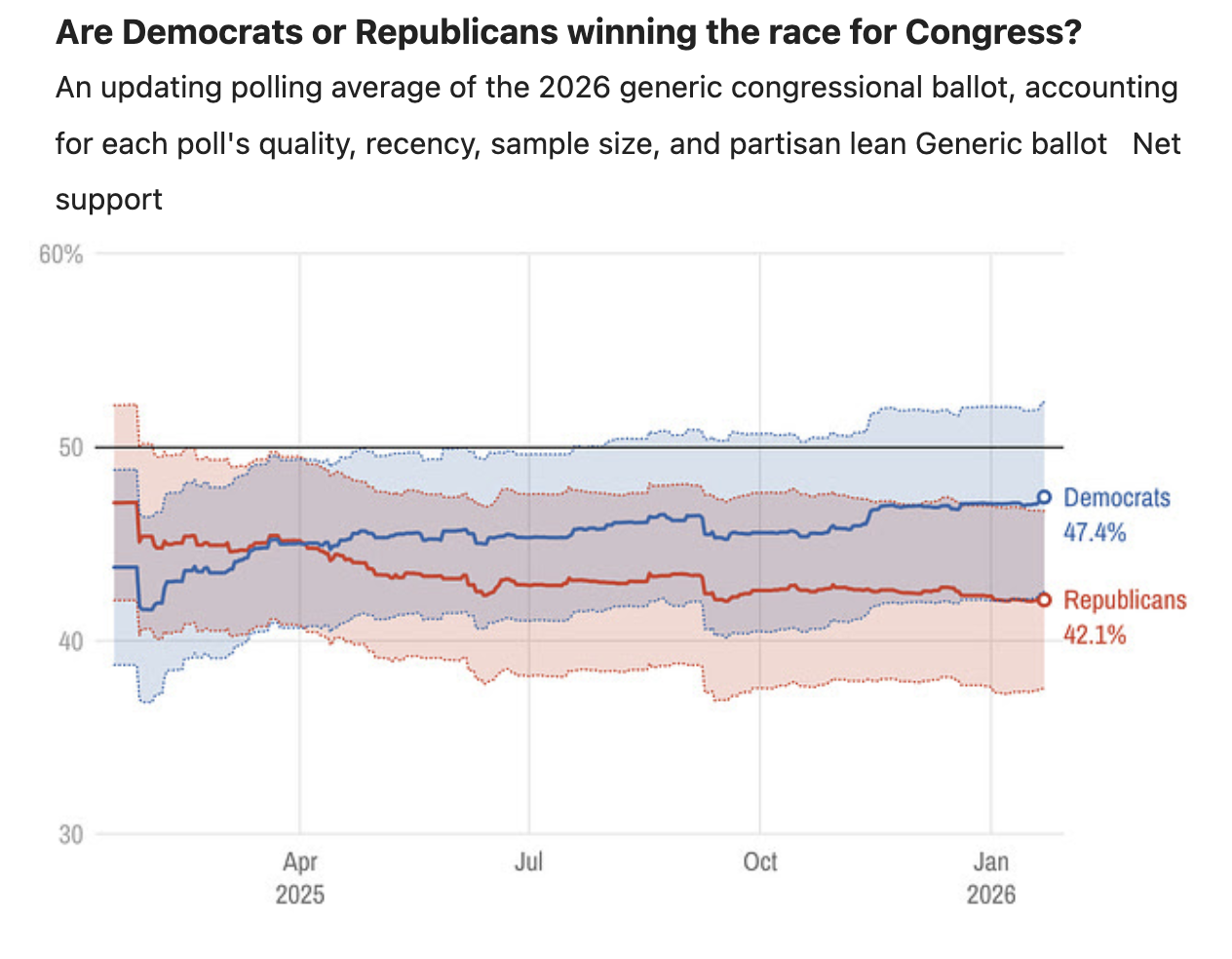
NYT/Siena Poll

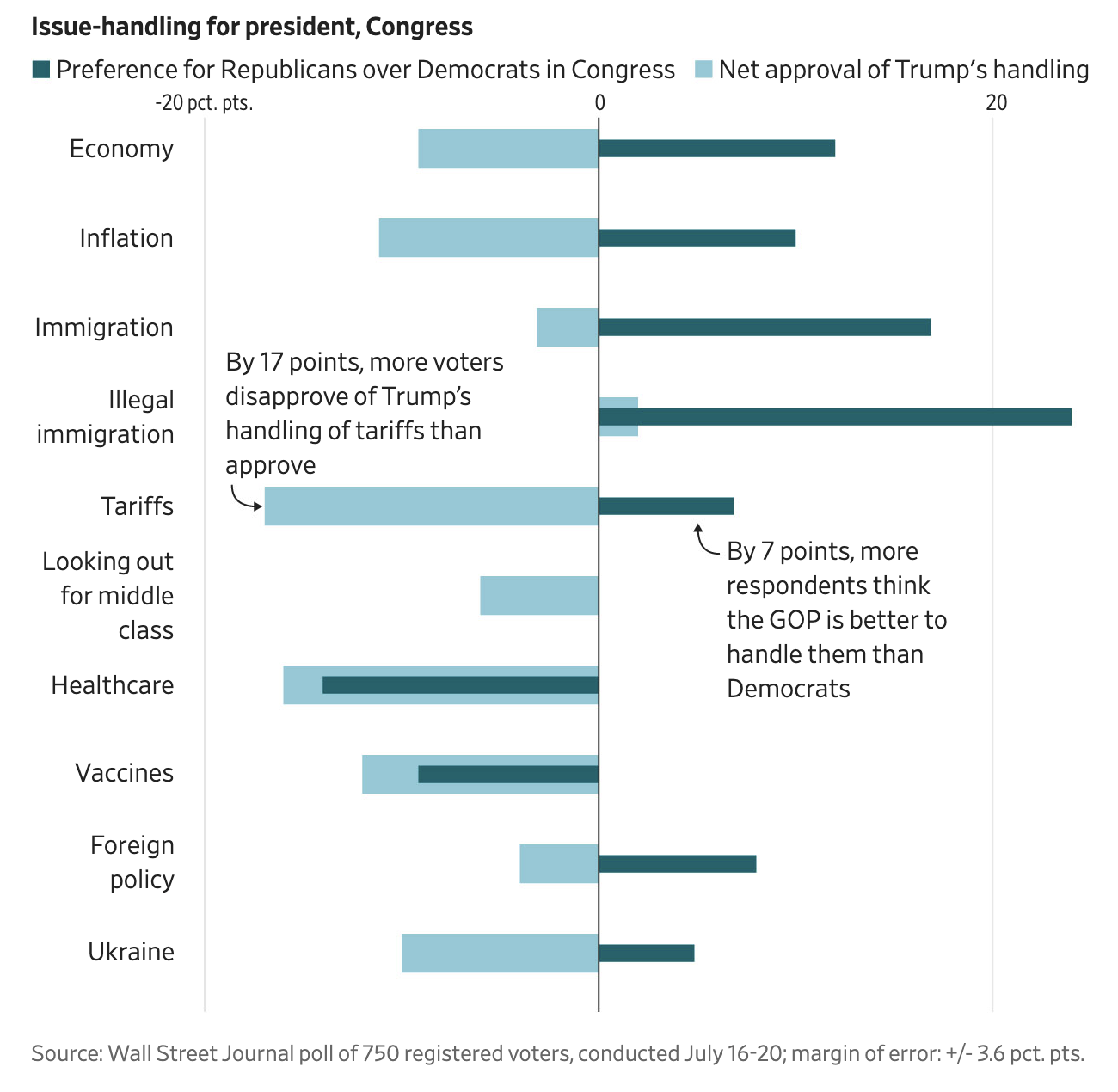
Source: WJS

Public Opinion and American Democracy

  • What is public opinion?
    • Why do we care about it?
    • How do we study it?
  • Can public opinion live up to what democracy requires?
    • Do citizens hold coherent and consistent beliefs?
    • Do they know basic facts about government and politics?
    • Can they use these beliefs to make informed decisions in a democracy?

Syllabus cliffnotes

Online here

  • Expectations
  • Community Standards
  • Academic Integrity
  • Assignments & Grading
    • Attendance and Participation – 20%
    • Three Reading Reflections – 30%
    • Two Term Papers – 30%
    • Group Project – 20%

Schedule for the group projects

  • Week 3: Groups Assigned
  • Week 4: Section: Coming up with a research topic
  • Week 5: Due: Research proposals (Feb 17 on Canvas)
  • Week 7: Section: Designing survey questions
  • Week 9: Due: Upload your survey modules to Qualtrics (March 19)
  • Week 11: Section: Planning your analysis
  • Week 12: Due: Upload your analysis plans (April 14)
  • Week 13: Section: Interpreting your results
  • Week 14: Due: Upload your presentations (May 3)

Plan today / Next Week

  • Announcements/ Introductions

  • Definitions of Public Opinion (Today)

  • A brief history of public opinion (Today)

  • Public opinion and democratic theory (Tuesday)

  • Measuring public opinion through surveys (Tuesday)

  • Using polls to forecast elections (Thursay)

  • Statistics and POLS 1140 (Today and next week)

Announcements

  • We are right at at capacity. If you haven’t requested an override on CAB, please do so. I’ll try to get you in.

  • Syllabus posted online and in your inbox

  • Readings for next week:

    • Democracy for Realists (DfR) chapters 1-2
    • Berinsky (2017)
  • Still updating the course materials.

    • By next week you should be able to download all of the additional readings for the course.
    • Caveat: Readings later in the course are subject to change

Introductions

Two Fundamental Truths

Testa’s first fundamental truth

Testa’s first fundamental truth

Why would I profess my utter ignorance on the first day of class?

Four possible reasons…

1. Expectation Management

2. Pedagogical Tomfoolery

3. Positionality

4. Epistemology

Testa’s second fundamental truth
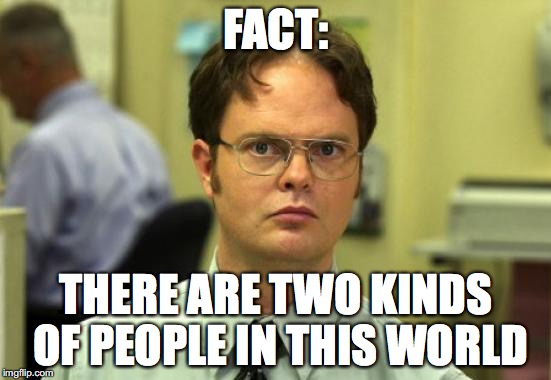
Testa’s second fundamental truth

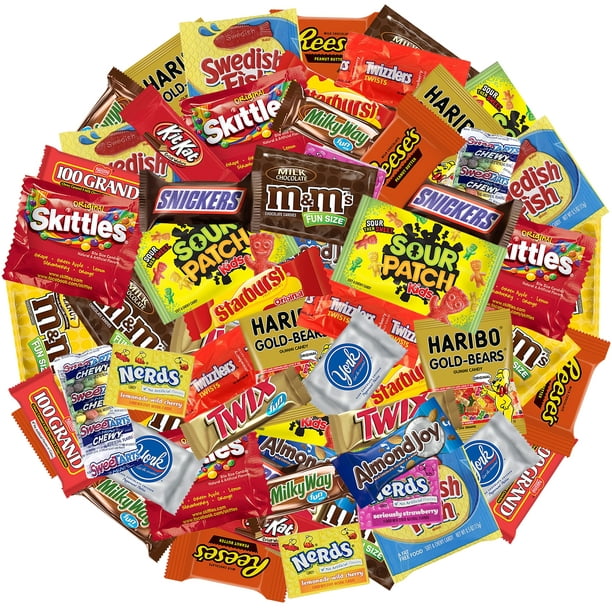
Two kinds of people in this world
What is it that we say we do here

Descriptions

Explanations
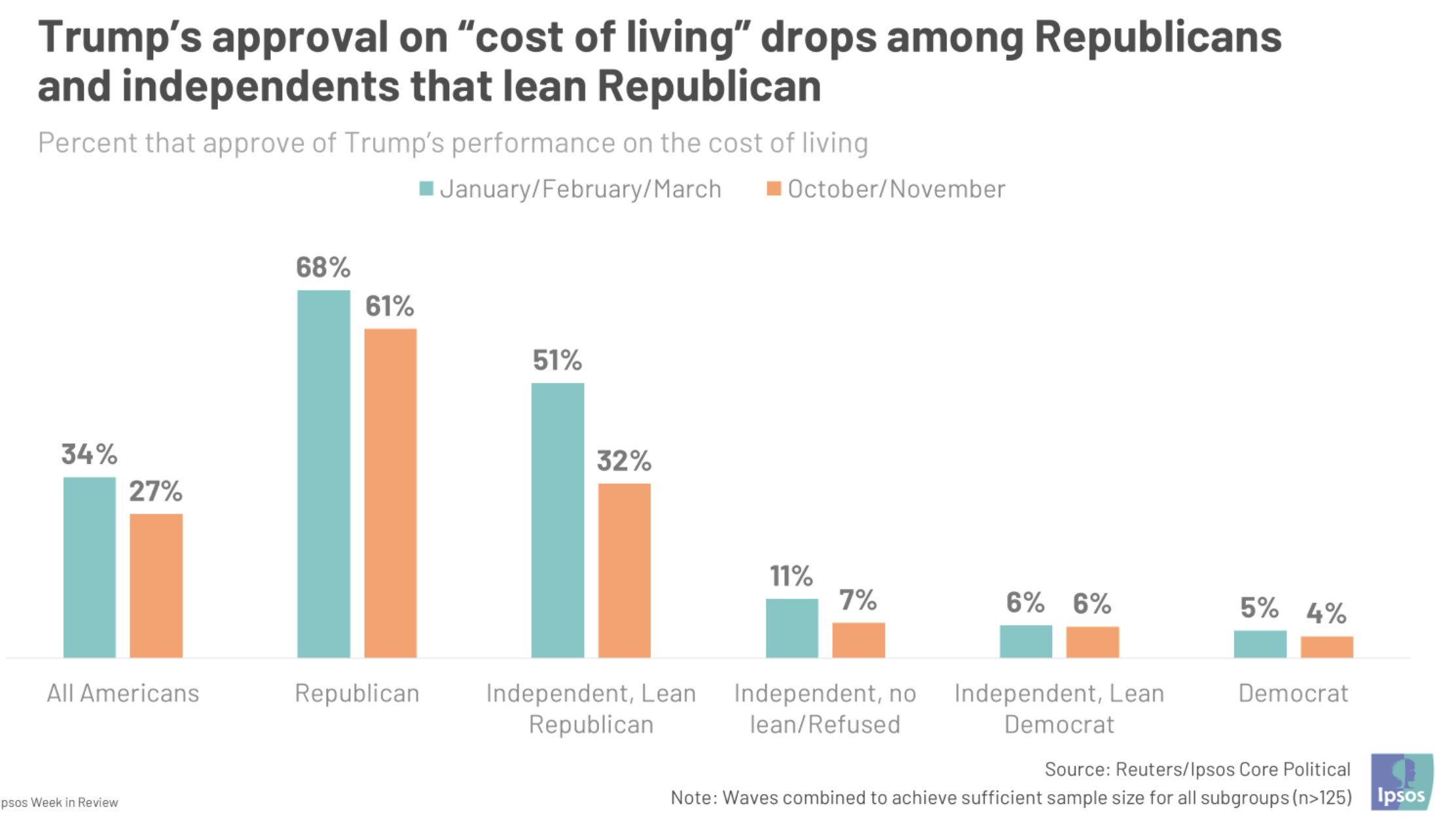
## Predictions

Predictions

What does quantitative research do?

  • Descriptions
  • Explanations
  • Predictions and Uncertainty

Two kinds of people in this world

Statistics and POLS 1140

What do you need to know?

Next week we’ll cover some basics:

  • What’s a mean

  • What’s a conditional mean

  • What’s a variance

  • What’s a standard deviation

  • What’s a regression

  • What’s a counterfactual

  • What’s a standard error and sampling distribution

  • What’s a p-value and confidence interval

Why do you need to know this stuff?

  • You don’t know need to know the specific mechanics of how regression works

  • You will need to know the basic principles and heuristics to interpret what regression tells us

  • Provide you with a basic foundation necessary to productively engage with published academic research

    • How to interpret regression tables and figures
  • These are skills that take practice. You get lots of it.

Definitions of public opinion

How do you define public opinion

  • Take a few minutes to write down your own definition of public opinion.

  • Now take a few minutes to share your definitions with the person next to you

Five Definitions

Five definitions from Glynn et al. (2015)

  • Aggregation beliefs

  • Public vs private

  • Political conflict

  • Elite vs mass

  • Lies! Damn lies!

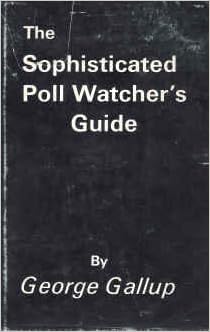
1. Public opinion is an aggregation of individual opinions

“Polling is merely an instrument for gauging public opinion. When a President, or any other leader, pays attention to poll results, he is, in effect, paying attention to the views of the people. Any other interpretation is nonsense.” – George Gallup (1972)
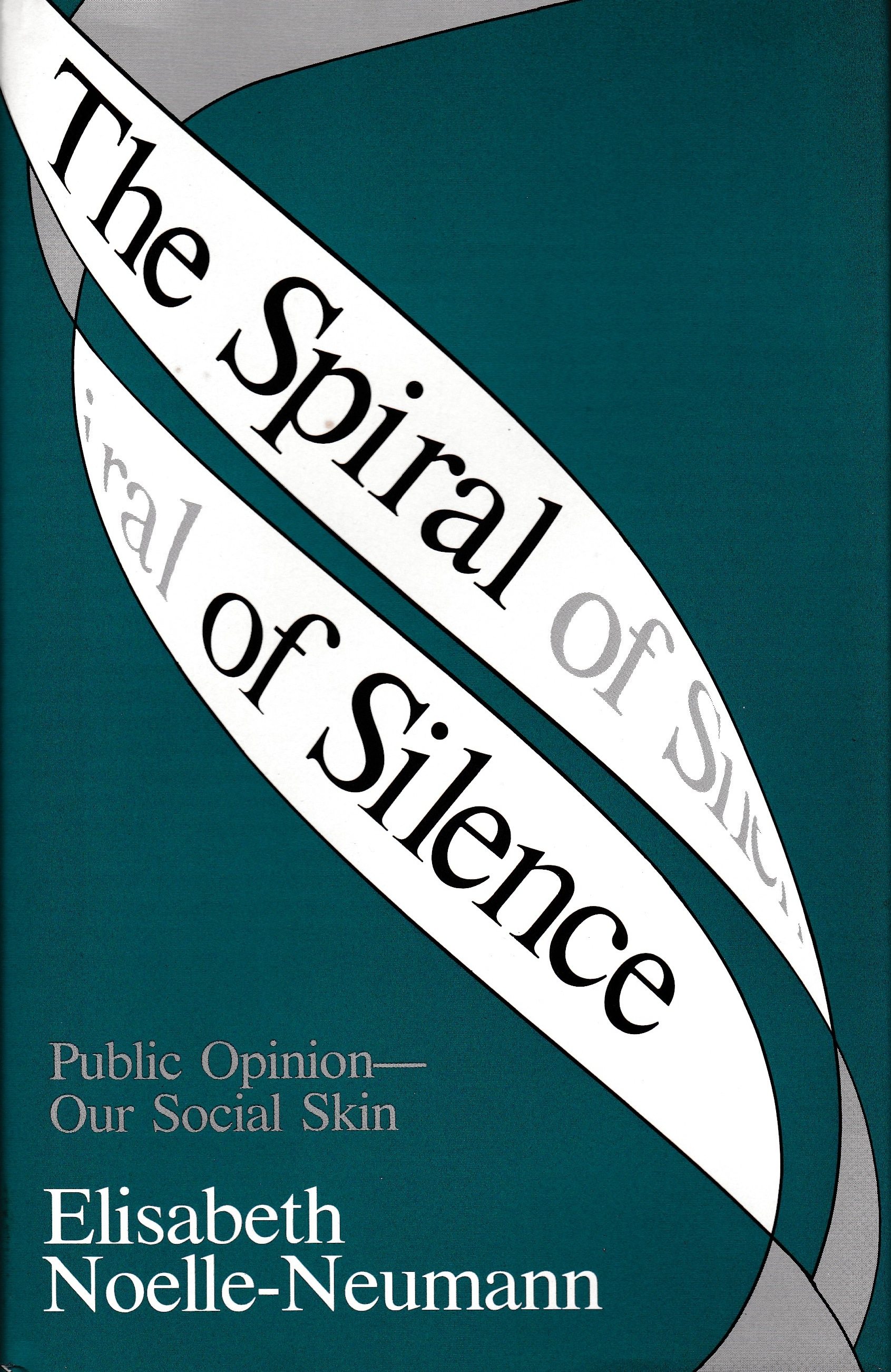
2. Public opinion is a reflection of majority beliefs

“Opinions on controversial issues that one can express in public without isolating oneself”– Elisabeth Noelle-Neumann (1984)
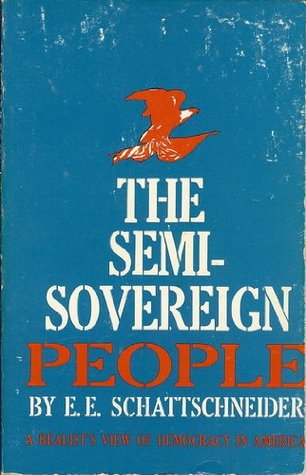
3. Public opinion is found in the conflict of group interests

“The people are involved in public affairs by the conflict system. Conflicts open up questions for public intervention.” – E.E. Schattschneider (1960)
4. Public opinion is simply a reflection of elite influence

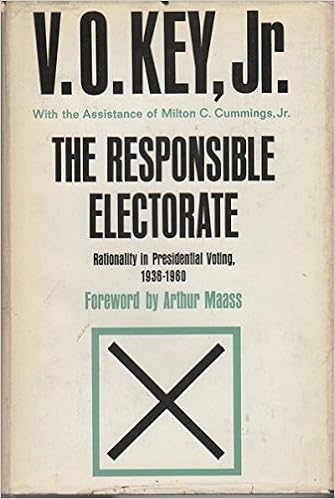
“The voice of the people is but an echo. The output of an echo chamber bears an inevitable and invariable relation to the input. As candidates and parties clamor for attention and vie for popular support, the people’s verdict can be no more than a selective reflection from the alternatives and outlooks presented to them.” - V.O. Key (1968)
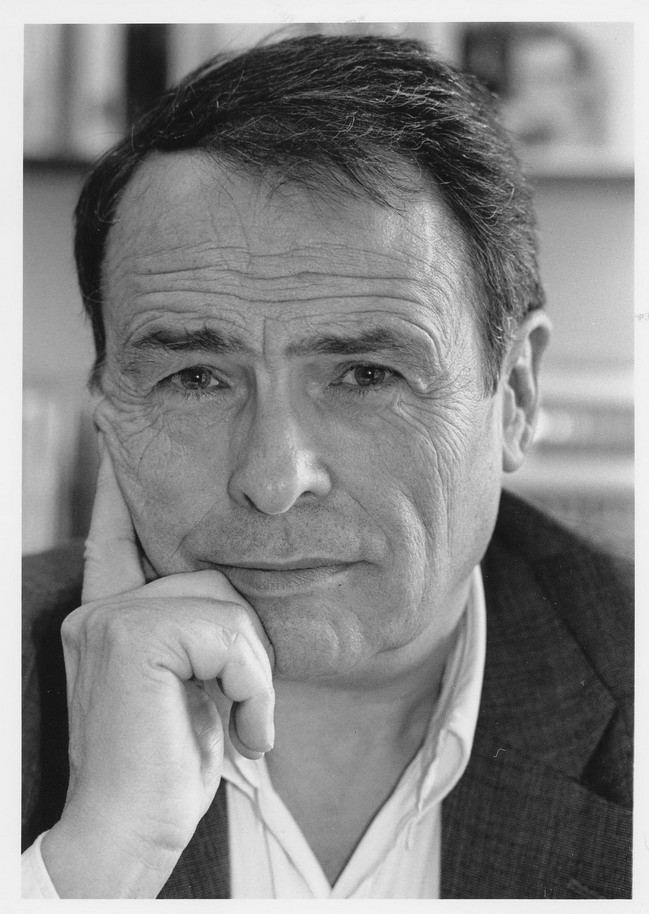
5. Public opinion does not exist

Bourdieu (1972) argues polls assume

  • Everyone can have an opinion
  • All opinions are equally valid
  • We all agree questions worth asking

Polling thus represents and reconstructs political interests
So what’s the right definition?

  • None of them

  • All of them

  • It depends on the question you’re asking

  • Each definition has strengths and weaknesses

What are the ways we could study public opinion?

  • Let’s take a few minutes to write down the different ways we could study public opinion

    • Think about the places, venues, methods, and results of these approaches

    • Are some more suited for some definitions of public opinion than others?

  • Ok let’s share our responses

    • How many people wrote down something involving polls and surveys?
    • How many people wrote down something else?

A brief history of public opinion

Some caveats

  • I am not a historian

  • This is a very abridged and largely western history

  • Provide a broad overview that introduces recurrent themes

Claims

  • Public opinion is a reflection of the “public sphere”

  • Public opinion is a contextual and a function of politics, society, technology and ???

  • Debates about public opinion and its role in society are persistent

  • The formal study of public opinion as we know it, is more recent.

Early examples of public opinion

Some early debates about public opinion

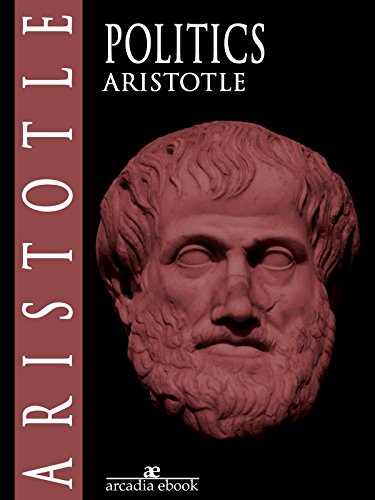
“In the same way, when there are many, each can bring his share of goodness and moral prudence; and when all meet together, the people may thus become something in the nature of a single person who – as he has many feet, many hands and many senses – may also have many qualities of character and intelligence” - Aristotle (Politics)
Some early debates about public opinion

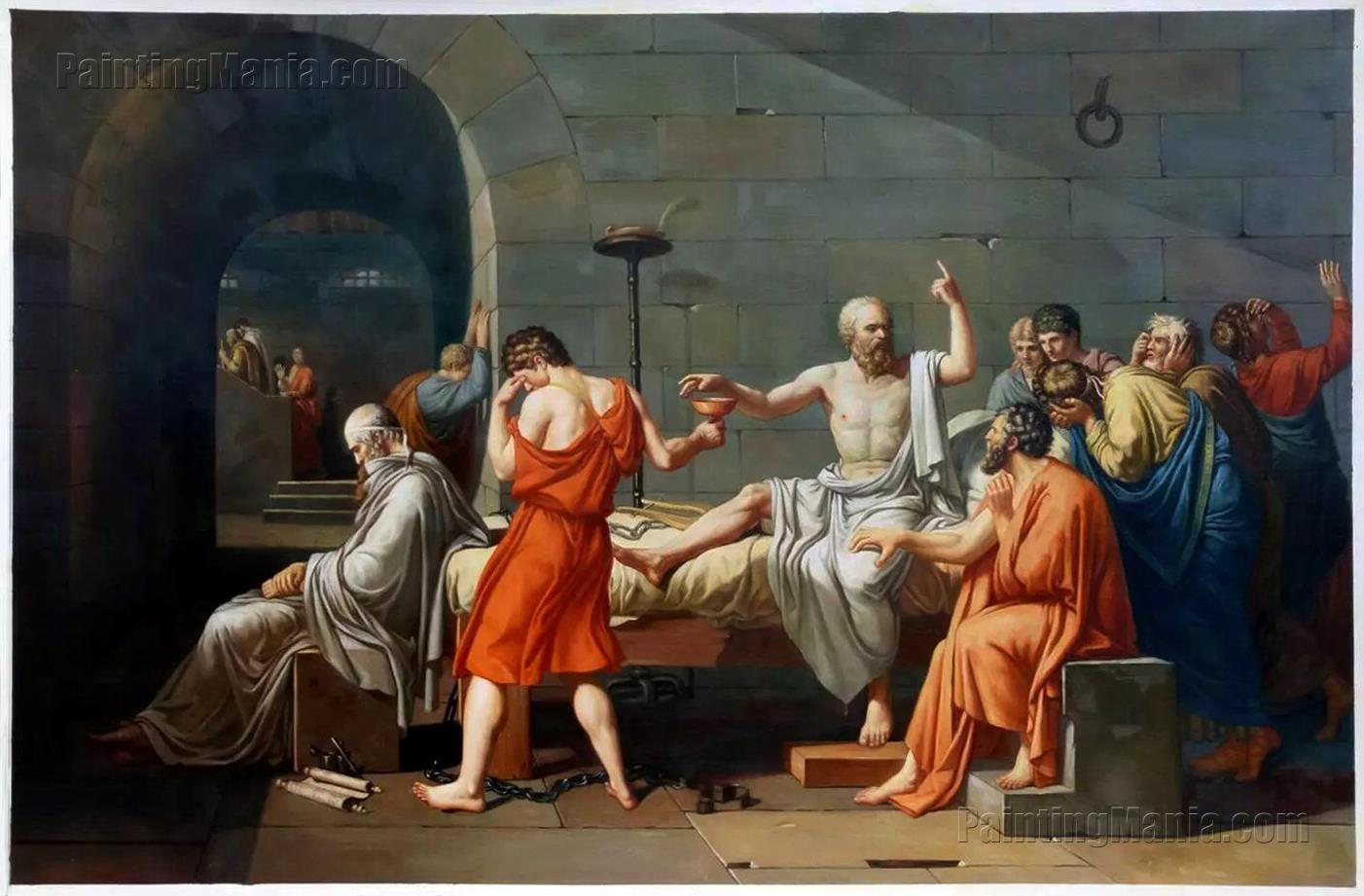
“Then, my friend, we must not regard what the many say of us; but what he, the one man who has understanding of just and unjust, will say, and what the truth will say.” Plato (The Crito)
Some early debates about public opinion

“Men are so simple, and governed so absolutely by their present needs, that he who wishes to deceive will never fail in finding willing dupes” – Machiavelli

Early Technologies of Public Opinion

  • Oration and rhetoric

  • Mass demonstration

  • The written word

Some important “Revolutions” In Public Opinion

  • Philosophical
    • Social Contract Theory
    • Utilitarianism
  • Political
    • Democratic revolutions
    • Expansions of suffrage and political rights
    • Progressive reforms like direct democracy
  • Socio-Cultural:
    • Economic changes
    • Public spaces
    • Nature and means of communication

The First Straw Polls

  • Proto-polls emerge around the 1824 Election

    • Emerge in response to failures of state caucus to produce clear nominee

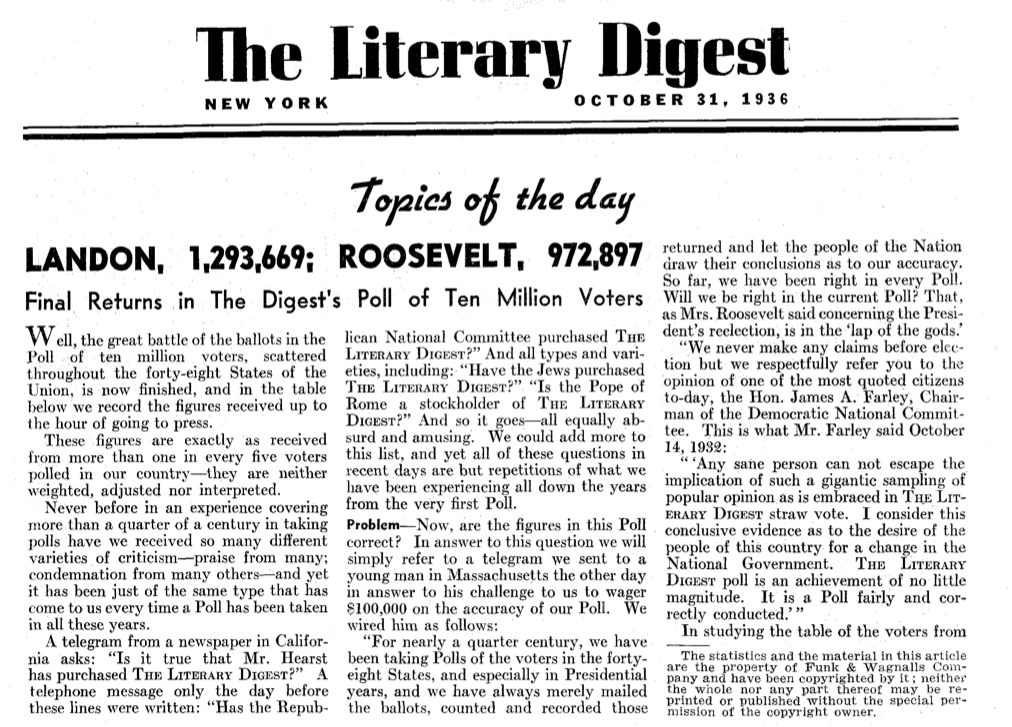
The Literary Digest Pools

  • Began polling readership in 1916

  • Correctly called, Wilson, Harding, Coolidge, Hoover, and Roosevelt in 1932…

  • But wildly off in 1936…

Three Eras of Survey Research (Groves 2011)

  • Birth (1930-1960)
  • Expansion (1960-1990)
  • Adaptation (1990-present)

Birth (1930-1960)

  • Advances in statistical theory provide foundation for probability-based sampling

  • Birth of modern polling firms like Gallup and Roper, with a keen interest on politics in general, and elecitons in partiuclar

Expansion (1960-1990)

  • Polling becomes ubiquitous as advances in technology (telephones, computers) lower costs

  • Most surveys have high responses

  • Two key schools of thought in political science:

    • The Columbia School
    • The Michigan School

The Colubmia School

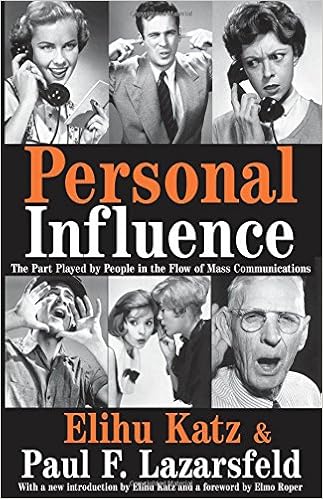
  • Concerned with how individuals are infleunce by the media

  • Sociological studies based in specific localities (Sandusky, OH, Elmira, NY; Decatur IL)

  • Propose a two-step flow of communication, where information from the media is filtered through “opinion leaders”

  • Personal Influence and the two-step flow of communication
The Michigan School

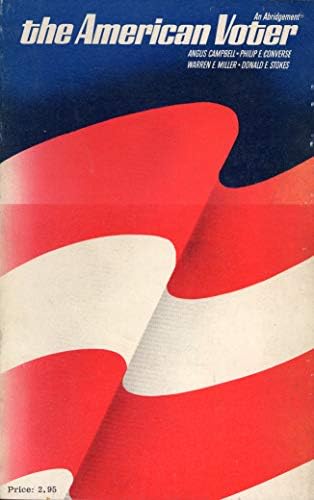
  • Concerned with how people make political decisions

  • Based off of surveys that would become the American National Election Studies

  • Most people cast their votes on the basis of partisan identifications largely inherited from their families
Adaptation (1990-present)

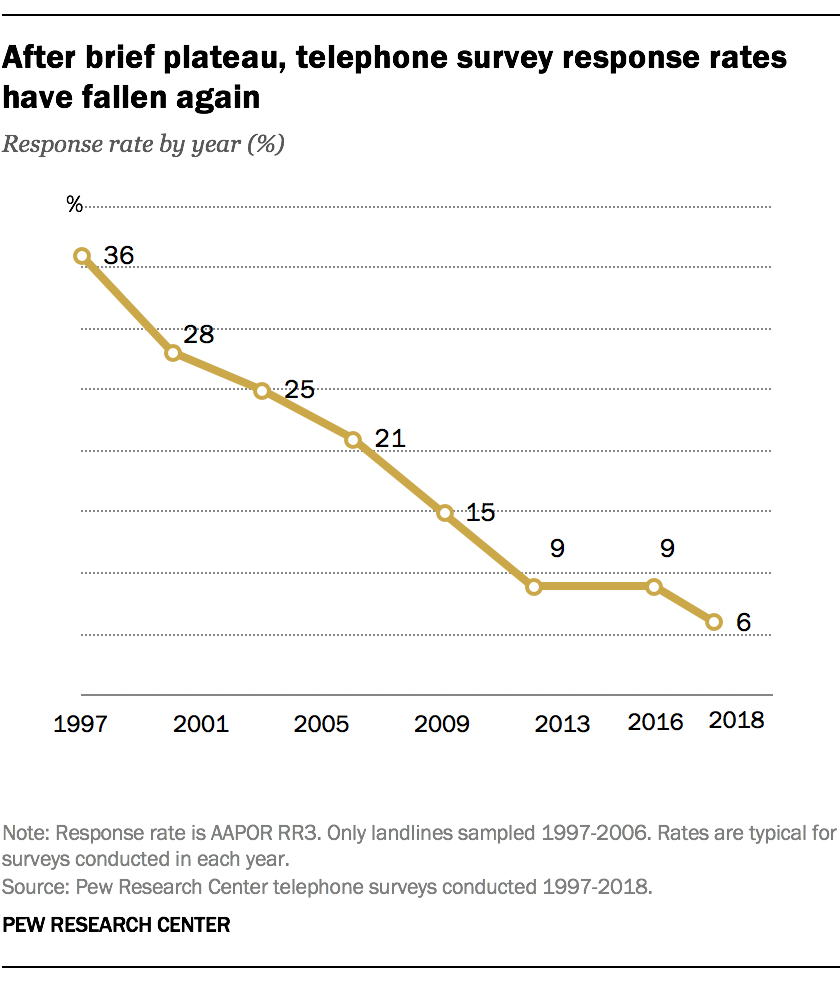
  • Declining response rates

  • The internet and the return of non-probability samples

  • New sources of data and new tools of analysis
Summary

  • Debates about public opinion are longstanding

  • Changes in the public sphere change our conceptions of public opinion

  • Need to be clear about our questions of interest and the contexts in which we’re studying them

Class Survey

Class Survey

Please click here to take the first class survey.

Public opinion and democratic theory

The Folk Theory of Democracy

What is Democracy?

Dahl 1998 lays out some general requirements for democracy:

  • Effective participation people have to have an opportunity to express their preferences

  • Voting equality votes should count equally

  • Enlightened understanding people should understand alternatives

  • Control of the agenda people can bring new items to the agenda; can’t rig the rules of the game

  • Inclusion of adults not just propertied, white dudes

The Folk Theory of Democracy

Bartels and Achen argue if democracy “begins with voters” then, these voters:

  • Have genuine opinions on policies

  • Take time to form those opinions

  • Elect politicians to represent those opinions

  • Those politicians then do as they’re told

Two Models of Democratic Theory

  • Populism
    • Democracy is about translating the will of the people into action
  • Leadership selection
    • Democracy is about selecting good leaders

How might these models work in practice?

Spatial Models of Voting

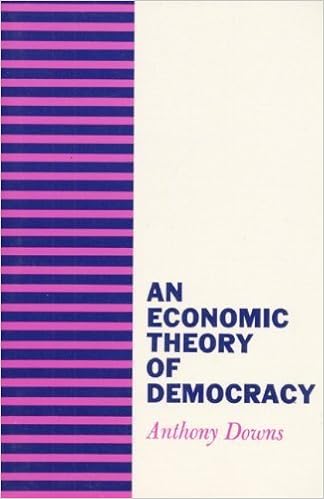
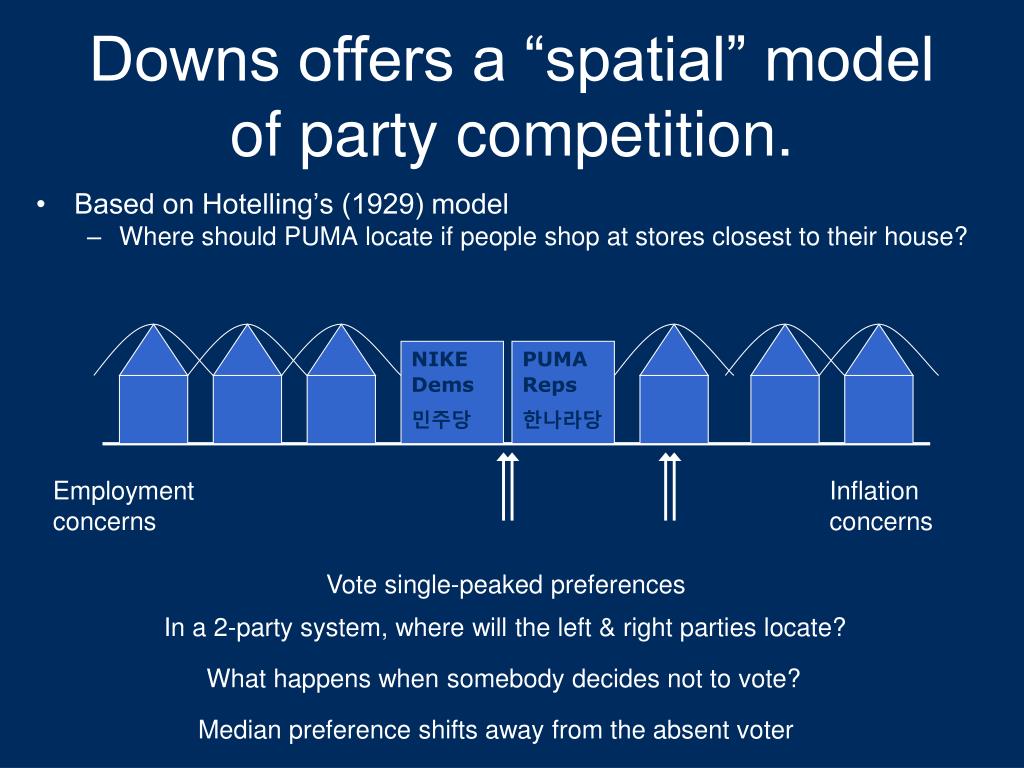
  • Represent voters preferences as “ideal points” on a ideological spectrum

  • For a two party system, with first past the post elections, parties will converge on the preferences of the median voter.

  • Seemed empirically true in the 1950s/60s
Spatial Models of Voting: The Median Voter Theorem
:scale 50%

Source: James Vreeland

Limits of the Spatial Model

  • Theoretical
    • Condorcet’s paradox
    • Arrow’s Impossibility Theorem
  • Empirical
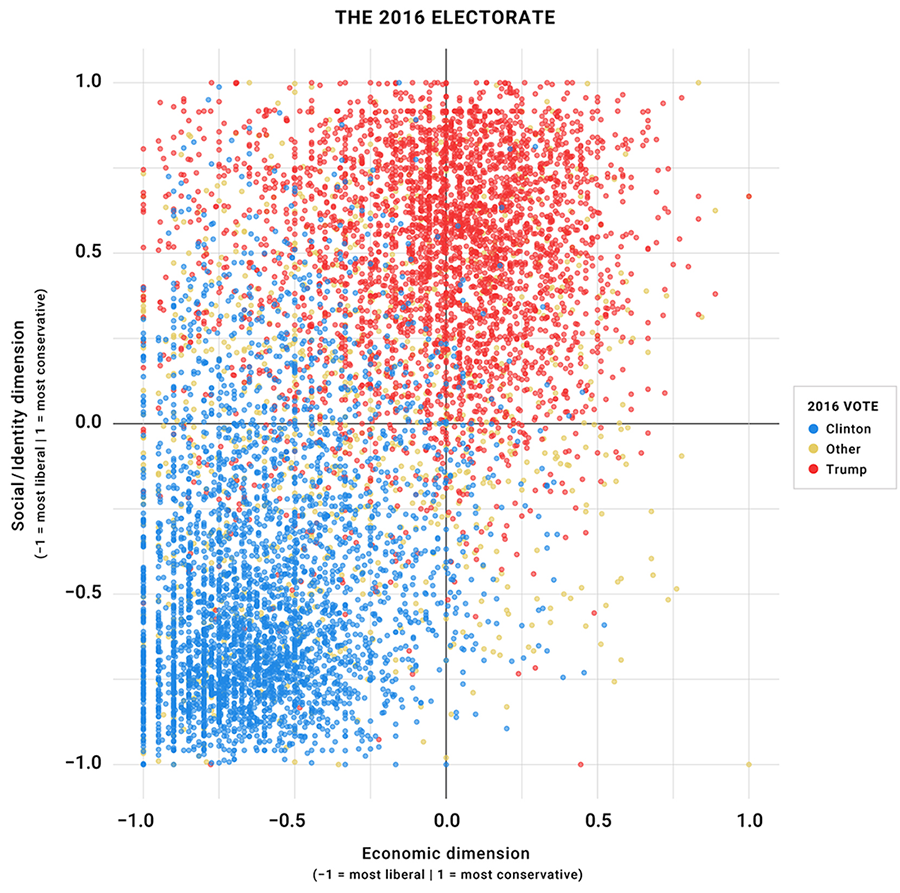
    • Are preferences really unidimensional?
    • Are preferences politically meaningful?

Condorcet’s Paradox: British Preferences for Brexit

  • Remain vs May Deal (Soft exit) -> Remain wins
  • Remain vs No Deal (Hard exit) -> No Deal wins
  • No Deal (Hard exit) vs May Deal (Soft exit) -> May Deal wins

Arrow’s Impossibility Theorem

  • The problem of voting cycles – any outcome is possible depending on the order of consideration – is one example of a more general challenge of aggregating preferences

  • Arrow (1950) given some reasonable criteria for fairness:

    • No dictators, Universality, IIA, Monotonicity, Sovereignty
  • No rank-order electoral system (e.g. Plurarlity, Instant Run Off, Borda) can be designed that always satisfies all theses criteria

Limits of the Spatial Model

  • Theoretical
    • Condorcet’s paradox
    • Arrow’s Impossibility Theorem
  • Empirical
    • Are preferences really unidimensional?
    • Are preferences politically meaningful?

Are preferences unidimensional?

Source ## Are preferences politically meaningful?

  • Do people think in ideological terms?
  • Do people’s attitudes on ideological issues hang together?
  • Are people’s attitudes consistent over time

More on this next week.

How polling works

What’s a survey

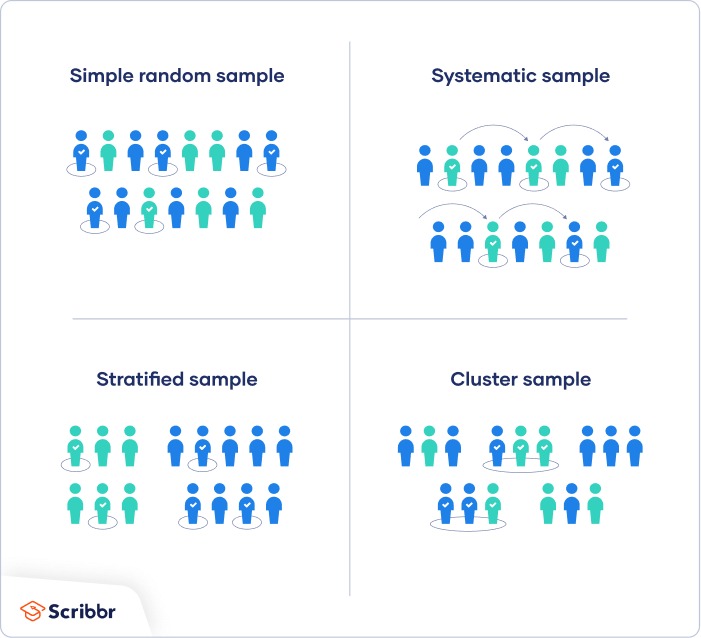
  • A survey is a structured interview designed to generate data

  • Survey’s are conducted on samples from a population

    • Draw inferences about the population based on estimates from our sample
  • The theory of polling depends on the power of random sampling

  • The practice of polling tries to account and adjust for all the ways a poll can fall short of this theoretical ideal

Key Features of an (Election) Survey

  • Pollster: Who’s doing the survey

  • Sampling frame: A list from which the sample was drawn (e.g. a voter file)

  • Sampling Procedure: How people are selected from the sampling frame to participate in survey

  • Sample size: How many people were surveyed

  • Survey mode: How the survey was conducted

  • Survey instrument: What the survey asked

  • Survey weights: Adjustments to make the survey more representative of the population

  • Likely voter model: A way of distinguishing (likely) voters from non-voters

  • Margin of error: A range of plausible values for the true population value

Probability based sampling (Why surveys work?)
Source

How polls can be wrong?

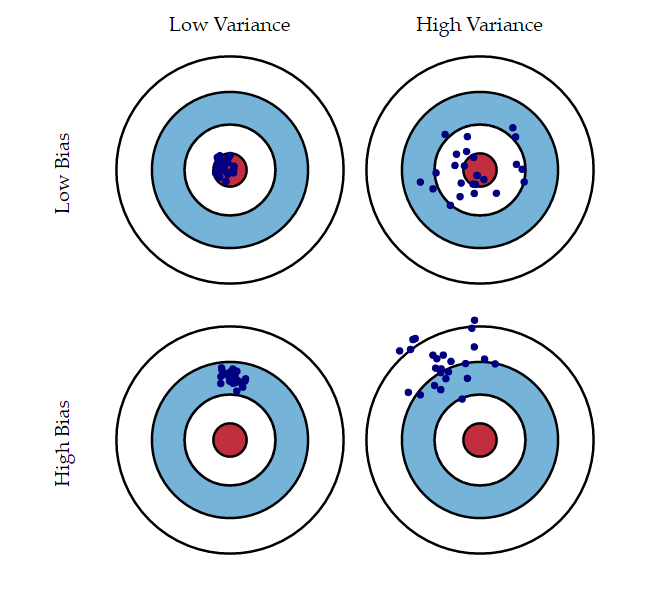
Error and Bias

Source

Polling Error

Total Survey Error in election polling is a function of:

  • Sampling Error

  • Temporal Error

  • Non-Sampling Error

Polling Error

Total Survey Error in election polling is a function of:

  • Sampling Error:
    • That error that arises from sampling from a population

    • Sample Size \(\uparrow\) \(\to\) Sampling error \(\downarrow\)

    • Margins of error typically only reflect sampling error

Polling Error

Total Survey Error in election polling is a function of:

  • Sampling Error:

  • Temporal Error:

    • The error that comes from polling a dynamic race at specific point in time

    • Polls closer to the election \(\to\) Temporal Error \(\downarrow\)

Polling Error

Total Survey Error in election polling is a function of:

  • Sampling Error:

  • Temporal Error:

  • Non-sampling Error:

    • Errors that arise from how a poll is implemented and analyzed
      • Coverage error: Sampling Frame \(\neq\) Population
      • Response bias: Some people are more less likely to take a poll
      • Measurement bias: Question wording, order, can influence responses
      • Processing and adjustment error: Failing to weight for key demographics
      • And more…

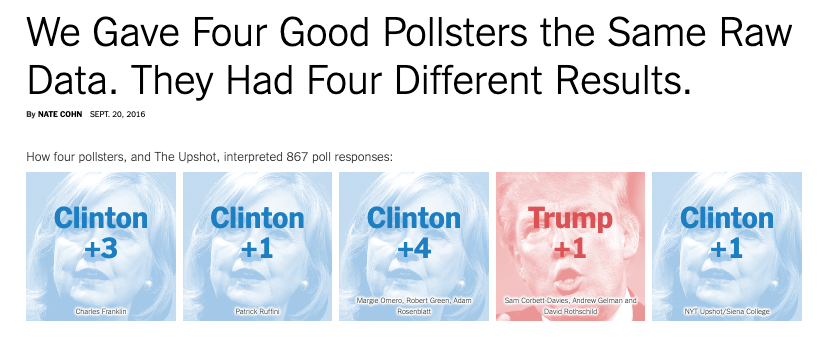
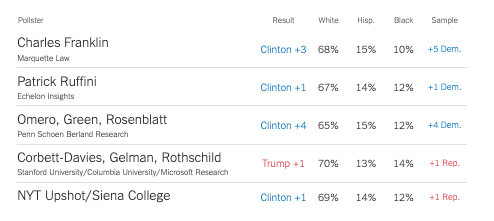
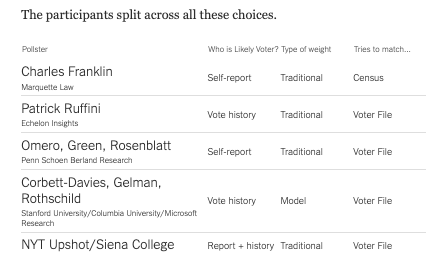
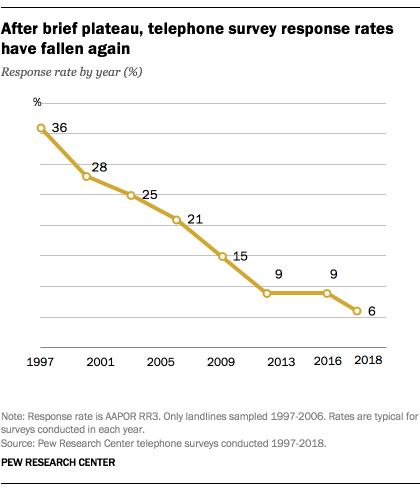
Polling is Hard

  • Polling is hard

  • Response rates are low

  • Response rates differ

  • Adjustments are imperfect and uncertain

  • Polling for elections is particularly hard

    • The population of interest is unknown (voters) and changing
Pew

New York Times

Question wording effects

Would you:

  • favor or oppose taking military action in Iraq to end Saddam Hussein’s rule
    • 68% favor, 25% oppose
  • favor or oppose taking military action in Iraq to end Saddam Hussein’s rule even if it meant that U.S. forces might suffer thousands of casualties
    • 43% favor, 48% oppose

Source: Pew

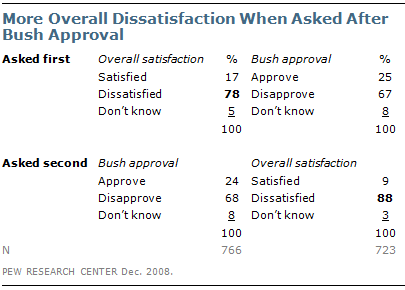
Question order effects

Election Polling: Example
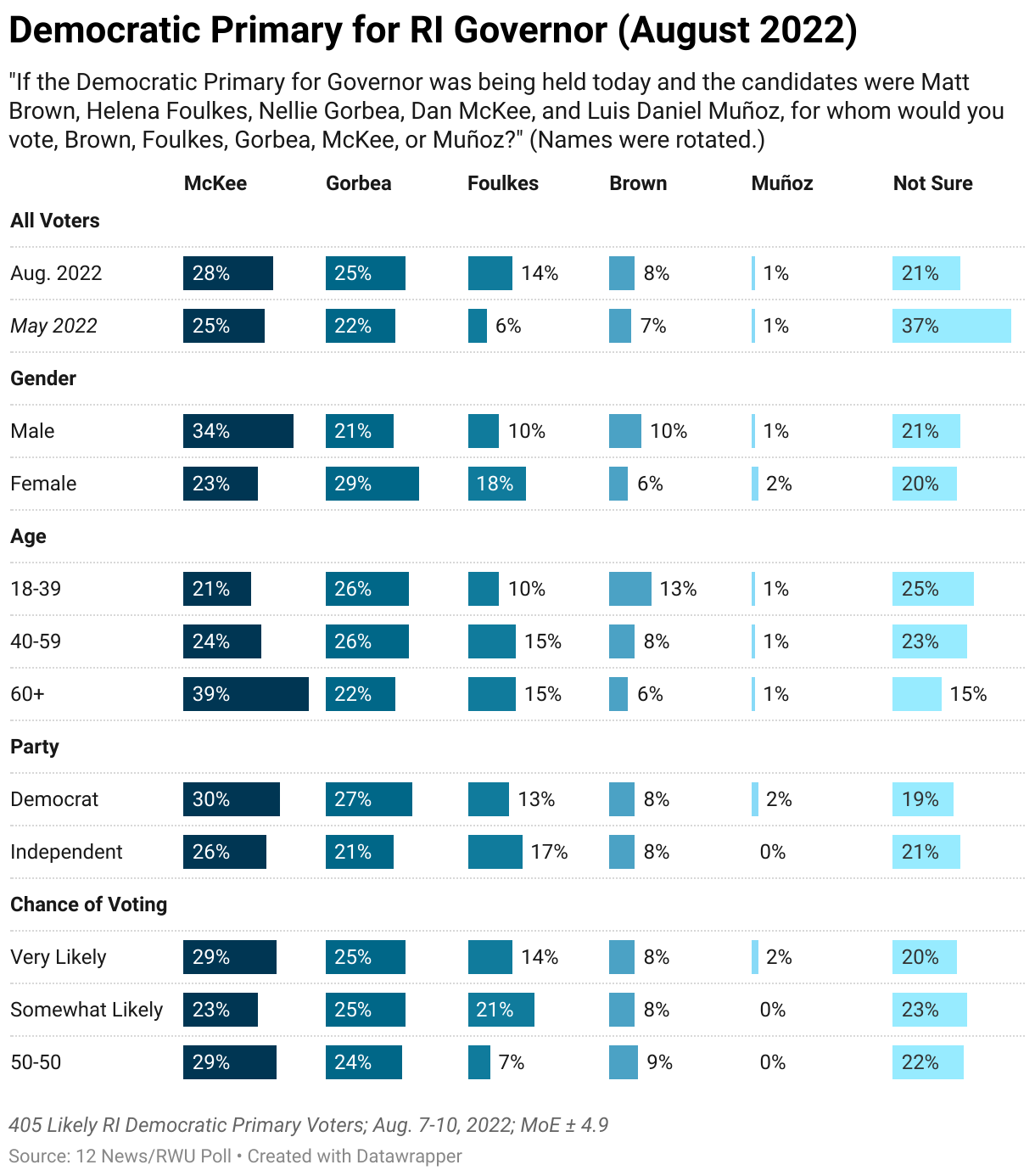
12 News/Roger Williams University Poll – August 2022

  • Pollster: Fleming & Associates
  • Sampling frame: Probability sample of registered voters, Aug 7-10, 2022
  • Sample size: 405
  • Survey mode: Live caller with land lines and cell phone
  • Survey Instrument: See cross tabs of the questions here Questions
  • Survey weights: None that I can tell
  • Likely Voter Model: Hard to say, but based on past surveys probably two-part screener:
    • Are you registered to vote?
    • How likely are you to vote in the Democratic Primary?
  • Margin of Error:

\[ \begin{align} MoE &= \pm 4.9 \\ &= 1.96 *\sqrt{((p*(1-p))/405)}\\ &= 1.96 *\sqrt{((0.5*(1-0.5))/405)}\\ &= \pm 4.869659 \end{align} \]

Evaluating the Performance of a Single Poll

Two criteria

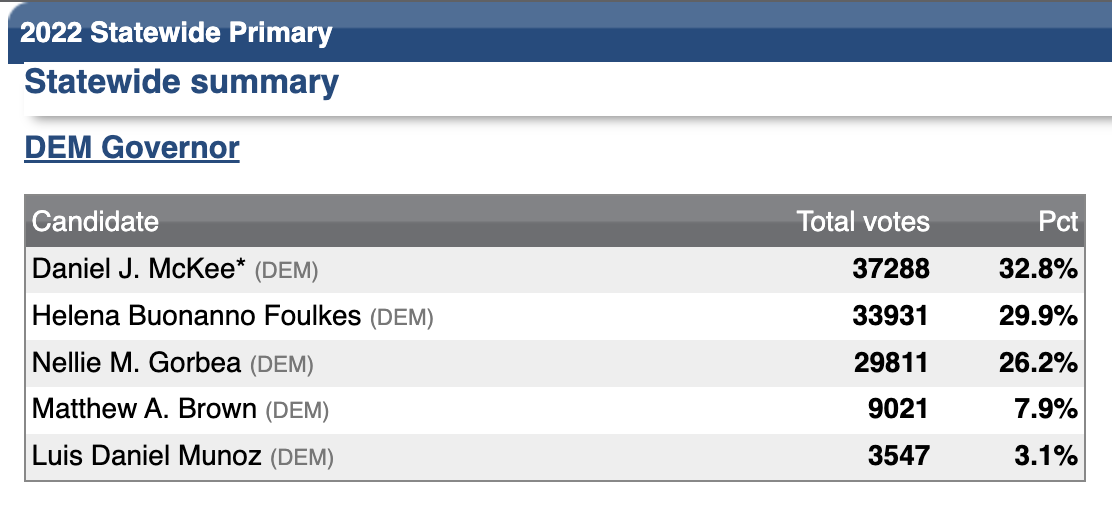
  • Did the poll call the race correctly?
    • Yes! McKee won
  • Did the poll get the margin right?
    • Not exactly…
    • McKee won by about 3% percentage points over Foulkes, not Gorbea
Using polls to forecast elections

Forecasting Elections

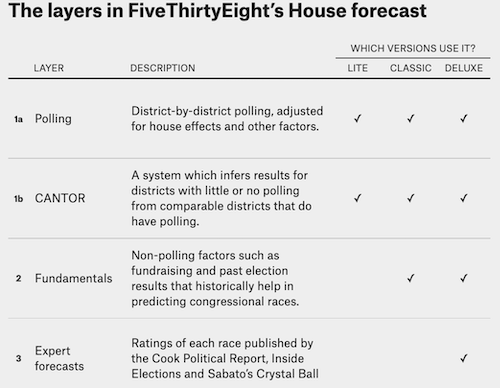
  • Election forecasts reflect varying combinations of:

    • Expert Opinion
    • Fundamentals
    • Polling
  • Forecasts differ in the extent to which they rely on these components and how they integrate them in their final predictions

FiveThirtyEight’s Approach to Forecasting

Under Nate Silver…
Forecasting Elections with Polls

  • The preeminence of polling in modern forecasts reflects the success of Nate Silver and FiveThirtyEight in correctly predicting the 2008 (49/50 states correct) 2012 (50/50) presidential elections

    • Any one poll is likely to deviate from the true outcome

    • Averaging over multiple polls \(\to\) more accurate predictions than any one poll, provided…

    • the polls aren’t systematically biased

  • Concerns about the polls reflect the failure of such approaches to predict

  • Trump’s Victory in 2016

  • Strength of Trumps Support in 2020

Polling in Recent Elections

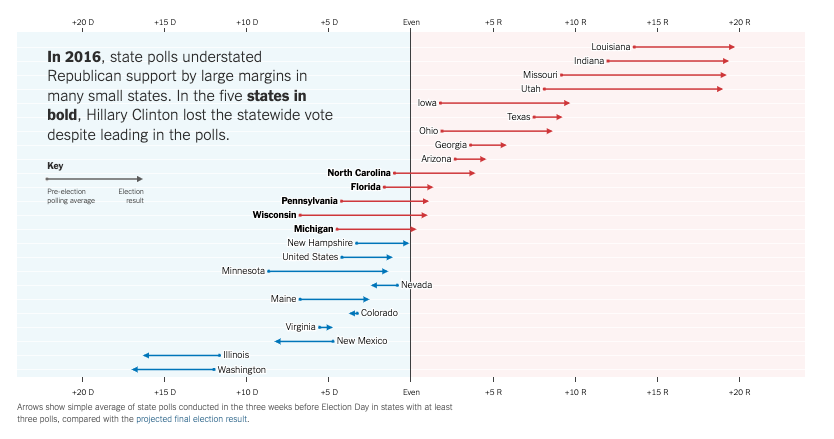
Polling the 2016 Election:

  • The polls missed bigly
    • National polls were reasonably accurate (Clinton wins Popular Vote)
    • State polls overstated Clinton’s lead / understated Trump support
New York Times

How did we get it so wrong in 2016?

Some likely explanations

  • Likely voter models overstated Clinton’s support

  • Large number of undecided voters broke decisively for Trump

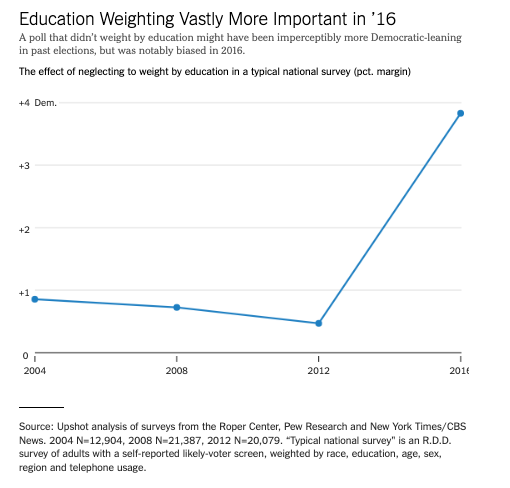
  • White voters without a college degree underrepresented in pre-election surveys

A full autopsy from AAPOR Image
New York Times

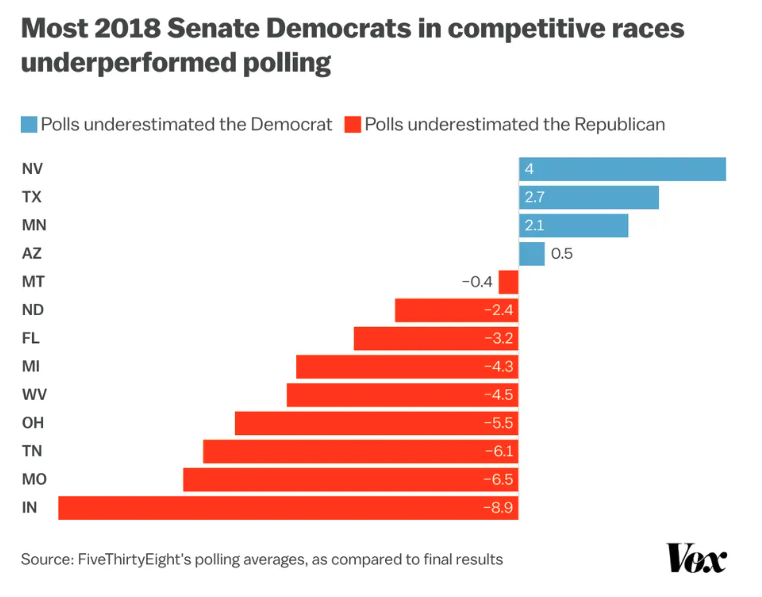
2018: A brief repreive?

  • Polls did a better job

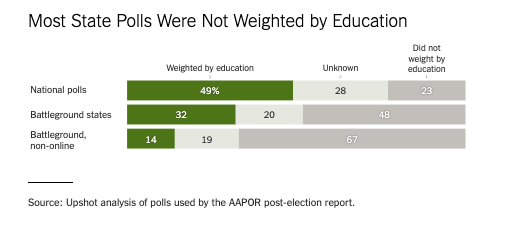
    • Most state polls weighted by education
    • Underestimated Democrats in House and Gubernatorial races
    • No partisan bias in Senate Races
  • Forecasts correctly call:

    • Democratic House
    • Republican Senate

However…

Vox

2020: Historic Problems, Unclear Solutions

  • Average polling errors for national popular vote were 4.5 percentage points highest in 40 years

  • Polls overstated Biden’s support by 3.9 points national polls (4.3 points in state polls)

  • Polls overstated Democratic support in Senate and Guberatorial races by about 6 points

  • Forecasts predicted Democrats would hold

    • 48-55 seats in the Senate (actual: 50 seats)
    • 225-254 seats in the House (actual: 222 seats)

2020: What Went Wrong

Unlike 2016, no clear cut explanations for what went wrong

Not a cause:

  • Undecided voters
  • Failing to weight for education
  • Other demographic imbalances
  • “Shy Trump Voters”
  • Polling early vs election day voters

Potential Explanations

  • Covid-19
    • Democrats more likely to take polls
  • Unit non-response
    • Between parties
    • Within parties
    • Across new and unaffiliated voters

AAPOR Report

How the polls did in 2022

  • Overall, pretty good

  • Average error close to 0

  • Average absolute error ~ 4.5 percentage points

  • Polls tended overstate Republican with some notable outliers (e.g. Trafalgar)

Glynn, Carroll J, Robert Y Shapiro, Garrett J O’Keefe, Mark Lindeman, and Susan Herbst. 2015. Public opinion. Westview Press.