POLS 1140

Origins of political predispositions

Updated Apr 13, 2026

Political Socialization

Overview

  • What is political socialization?
  • What are the agents of political socialization?
  • Nature vs nurture?

What is political socialization?

  • Broadly research on political socialization seeks to explain “what, how, and when political attitudes and behavior are learned” (Hepburn 1995)

What is political socialization?

Two views of political socialization:

  • Micro: Socialization is about the process of learning
  • Macro: Socialization is about the making of citizens

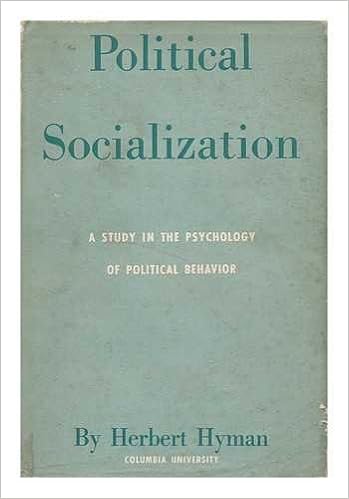
Hyman (1959)

  • Hyman defines political socialization is a person’s “learning of social patterns corresponding to his societal position as mediated through various agencies of society”
Social Learning

Easton and the making of citizens

  • Easton takes a more macro view of political socialization in a broader effort to understand the persistence and stability of political systems

  • Goal is to generate diffuse support/legitimacy for the system

  • Relevant case: Iran

    • Expectations of uprising going into war?

The rise (and fall) of political socialization

What explains this

  • Empirical Challenges

    • Hard to get data

    • Mixed results

  • Theoretical Challenges

    • Lack of conceptual clarity

What are the agents of political socialization?

Take a few moments to write down some possible agents of socialization

In groups discuss:

  • Mechanisms (Why these agents have an effect)
  • Designs (How would you know?)

What are the agents of political socialization?

  • Family

  • Schools

  • Peers

  • Media

  • Religion

  • Parties

  • Institutions (“The state”)

What are the agents of political socialization?

  • Family

  • Schools

  • Peers

  • Media

  • Religion

  • Parties

  • Institutions (“The state”)

Family as an agent of socialization

Family as an agent of socialization
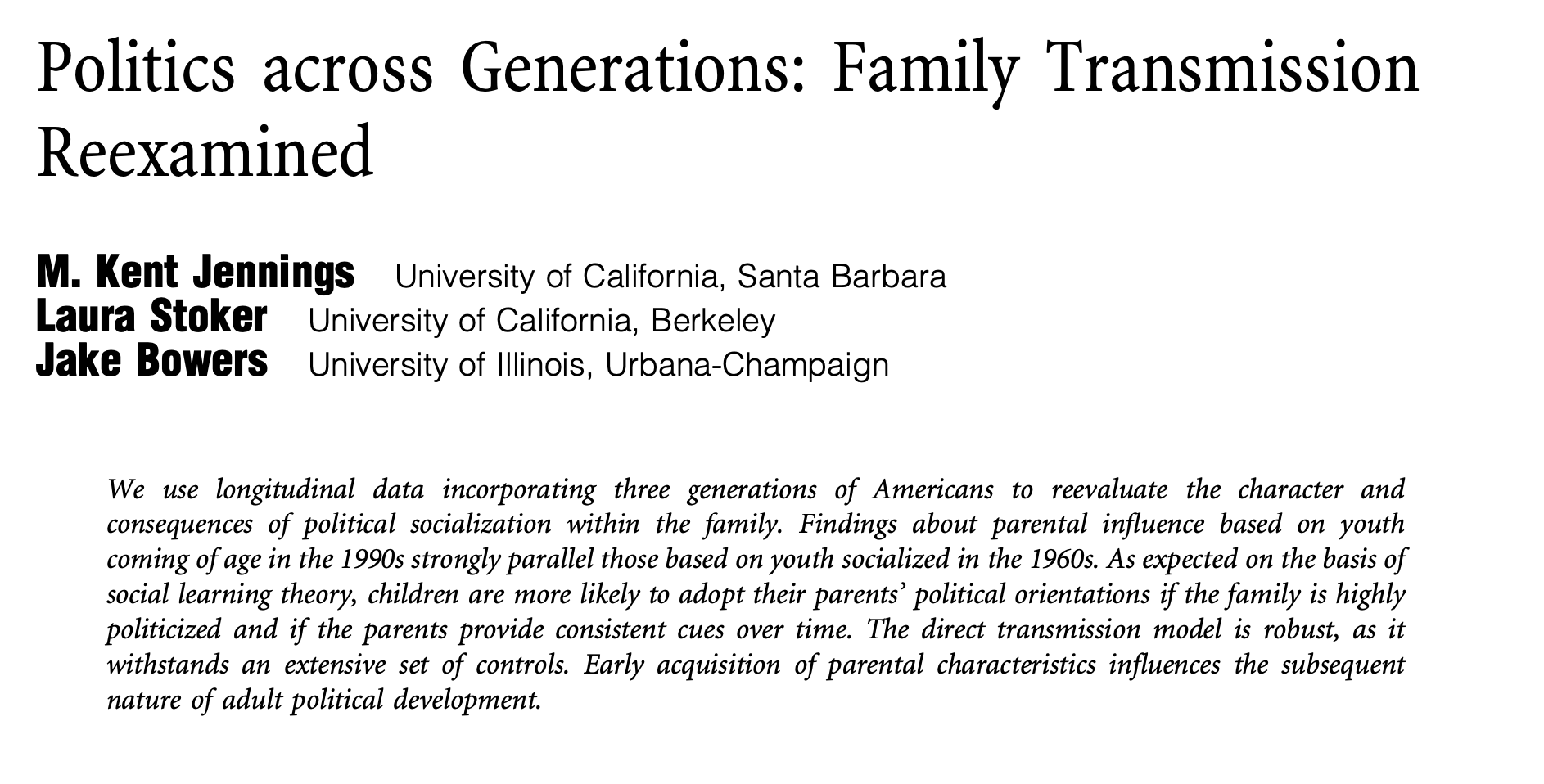
Research questions

  • What evidence is there of inter-generational transmission?

  • What makes transmission more or less likely?

  • Are we sure it’s families doing the transmission?

  • What are the long term consequences?

What evidence is there of inter generational transmission?
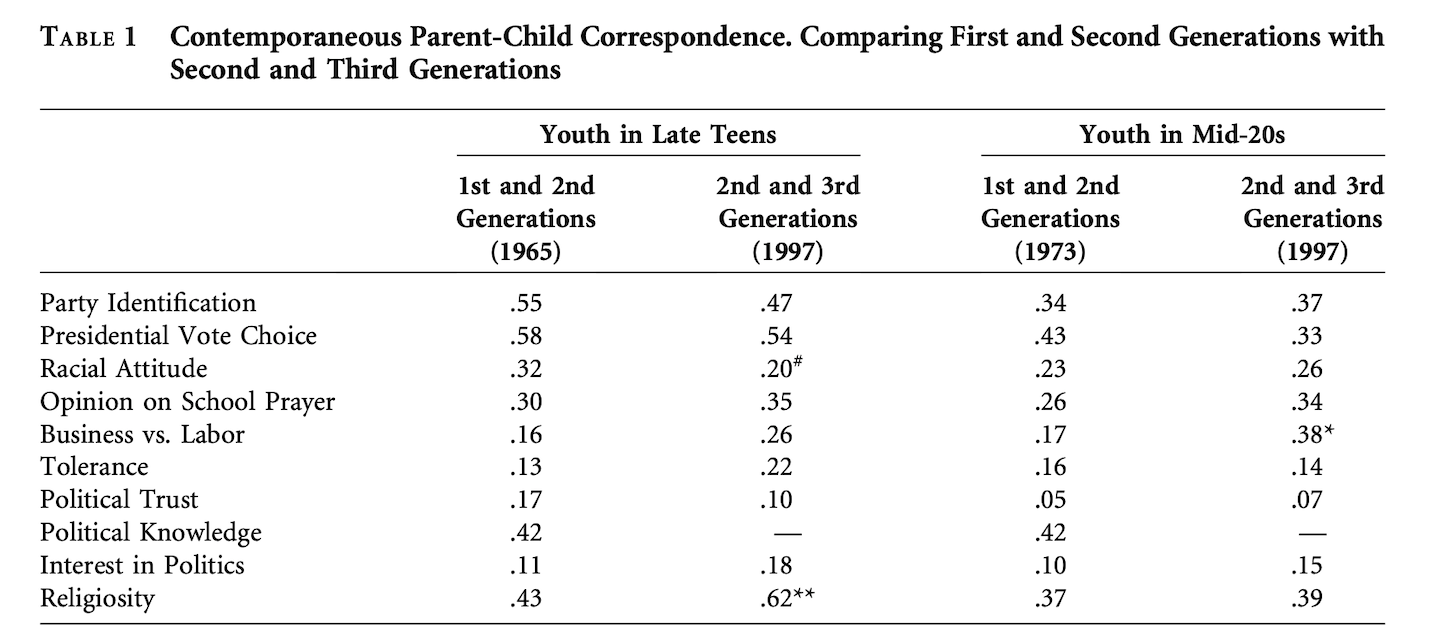
How well does a parent’s score predict a child’s score?

What evidence is there of inter generational transmission?

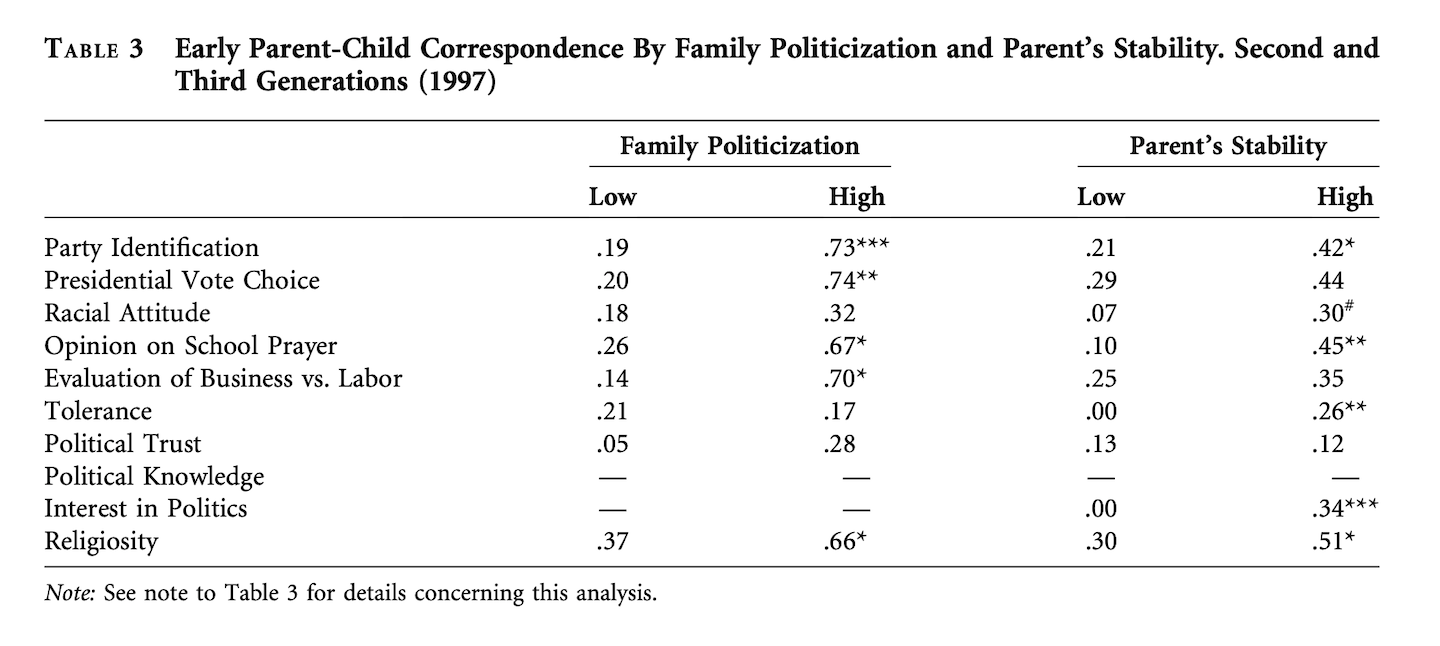
What makes transmission more or less likely

Social learning theory suggests transmission rates should be higher when:

  • Families are more politicized
  • Context is more consistent

What makes transmission more or less likely
What makes transmission more or less likely

Are we sure it’s families doing the transmission
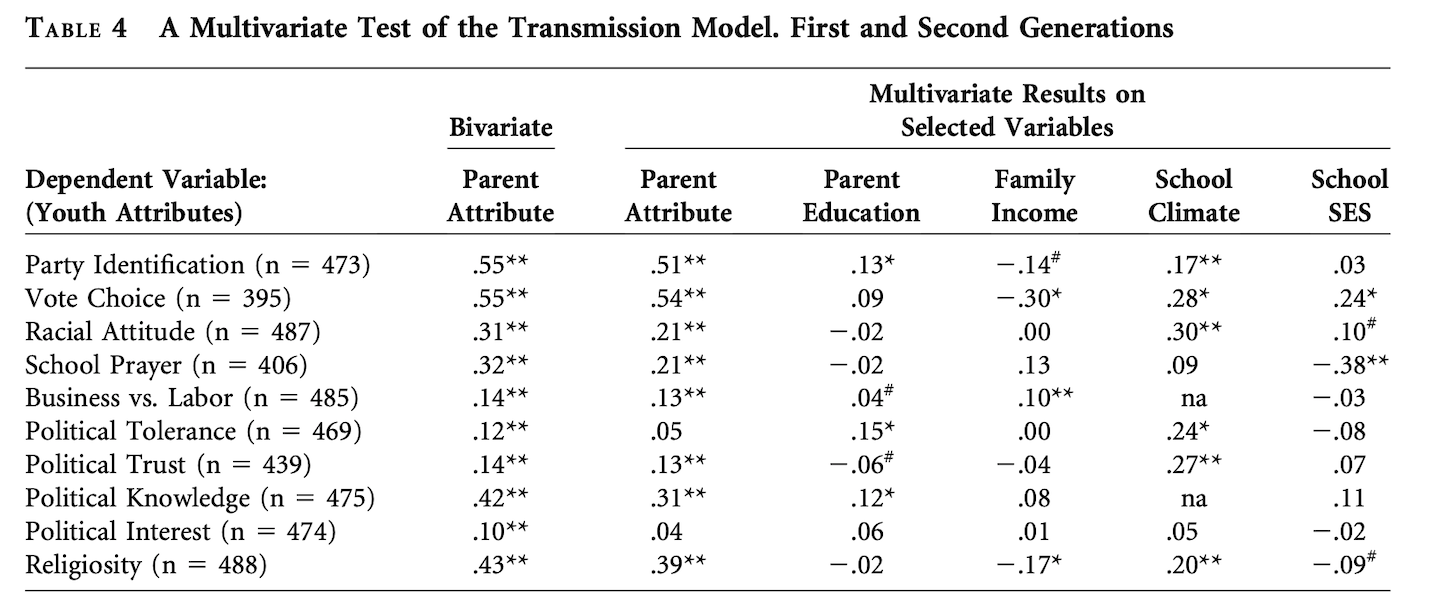
What happens if we control for alternative explanations

Are we sure it’s families doing the transmission

What are the long term consequences
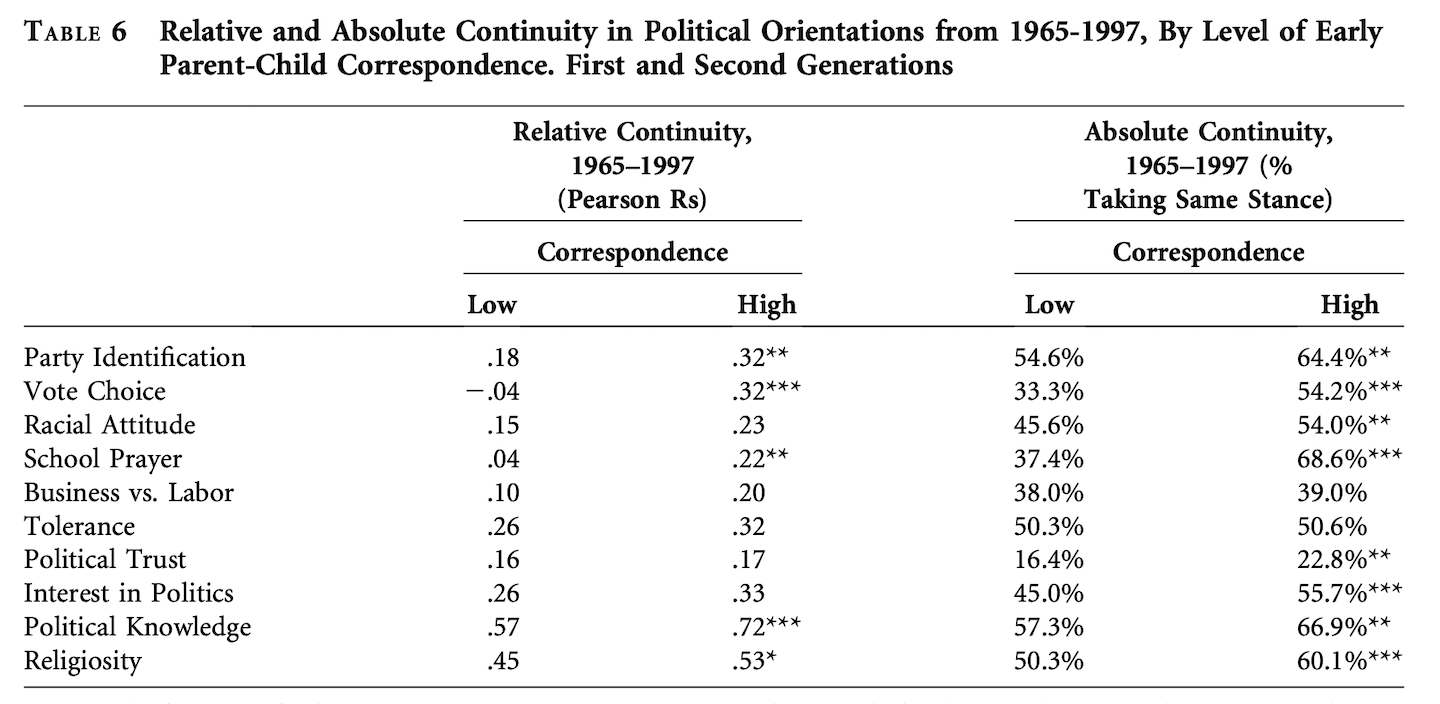
If children are at least partly the product of their parents’ role as political socializers, then the degree of continuity among the socializees should represent the residue of parental influence over time.

What are the long term consequences

Does family socialization always lead to transmission?

Elias (2012)
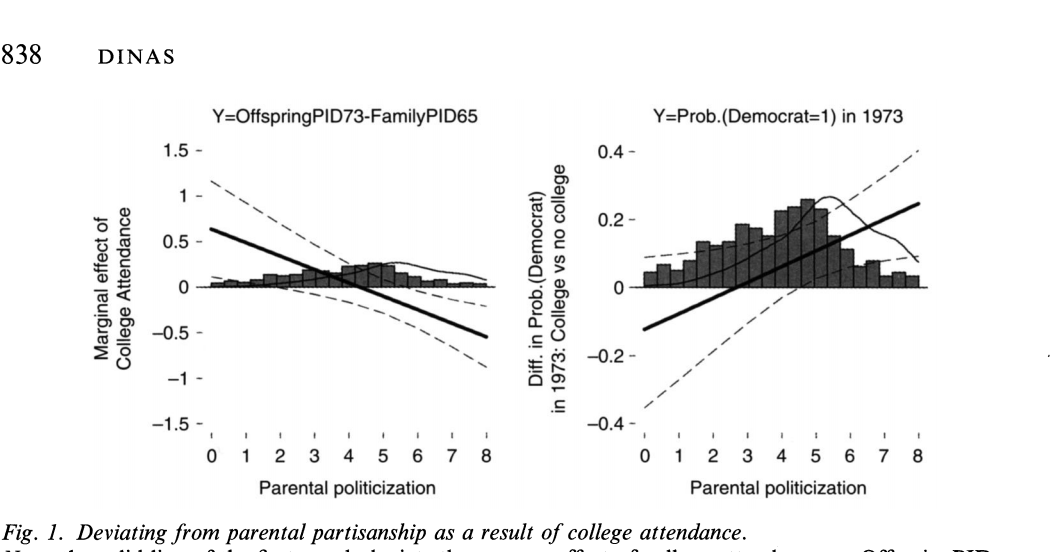
Elias (2012)

The reason politicized parents are more likely to end up with adult children who have divergent partisan preferences is that, by facilitating political discussions at home, they make the offspring more attentive to the political messages of their times (p 848)

Schools as an agent of socialization
Schools as an agent of socialization

  • How would we know that it is schools and not factors associated with attending different schools that explained variation in political attitudes and behavior?

Schools as an agent of socialization

Schools as an agent of socialization

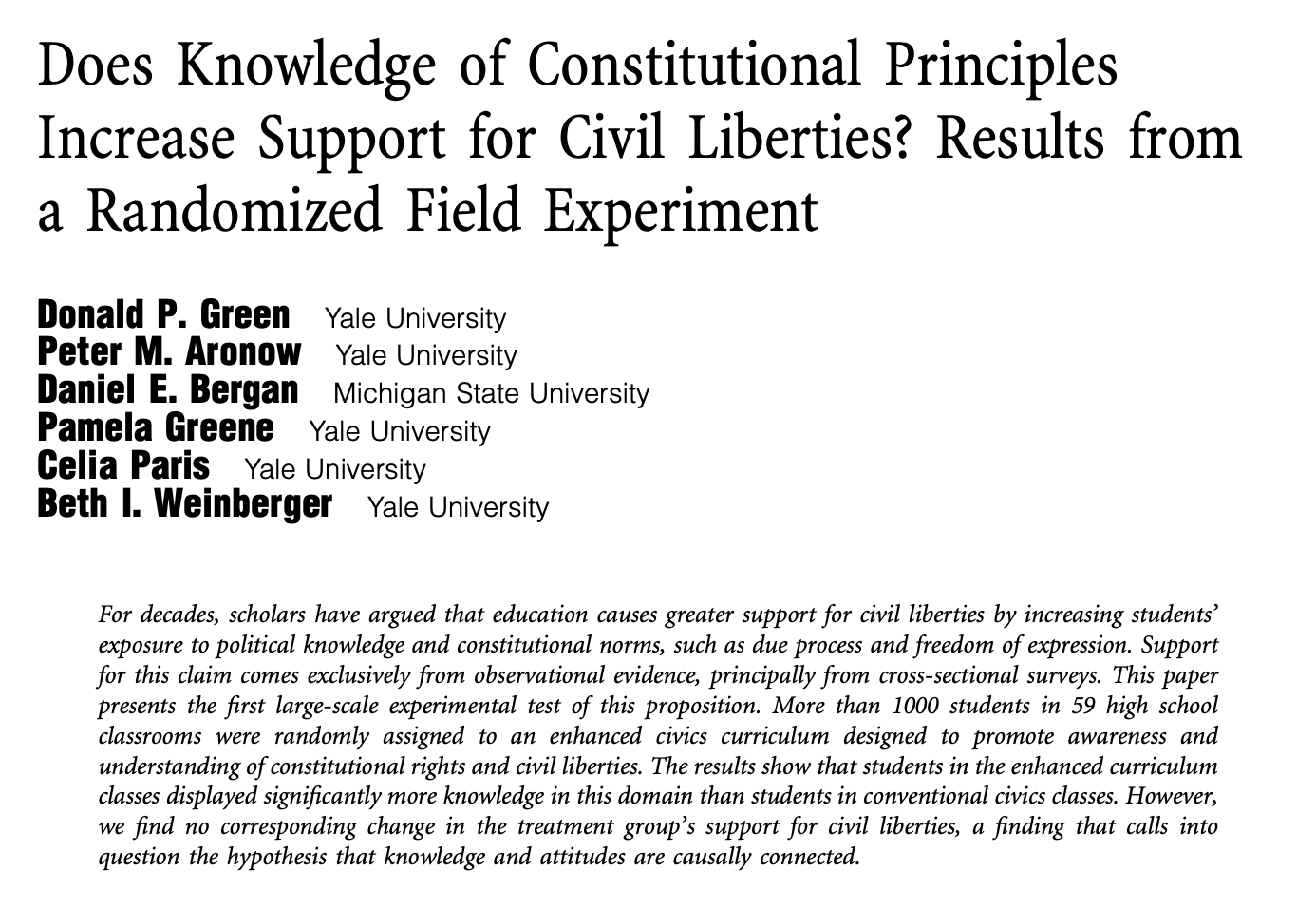
Green et al. (2011) randomly assign some students within schools to receive and enhanced civics education

  • Does civics education:

    • increase knowledge?

    • does that knowledge increase support for civil liberties

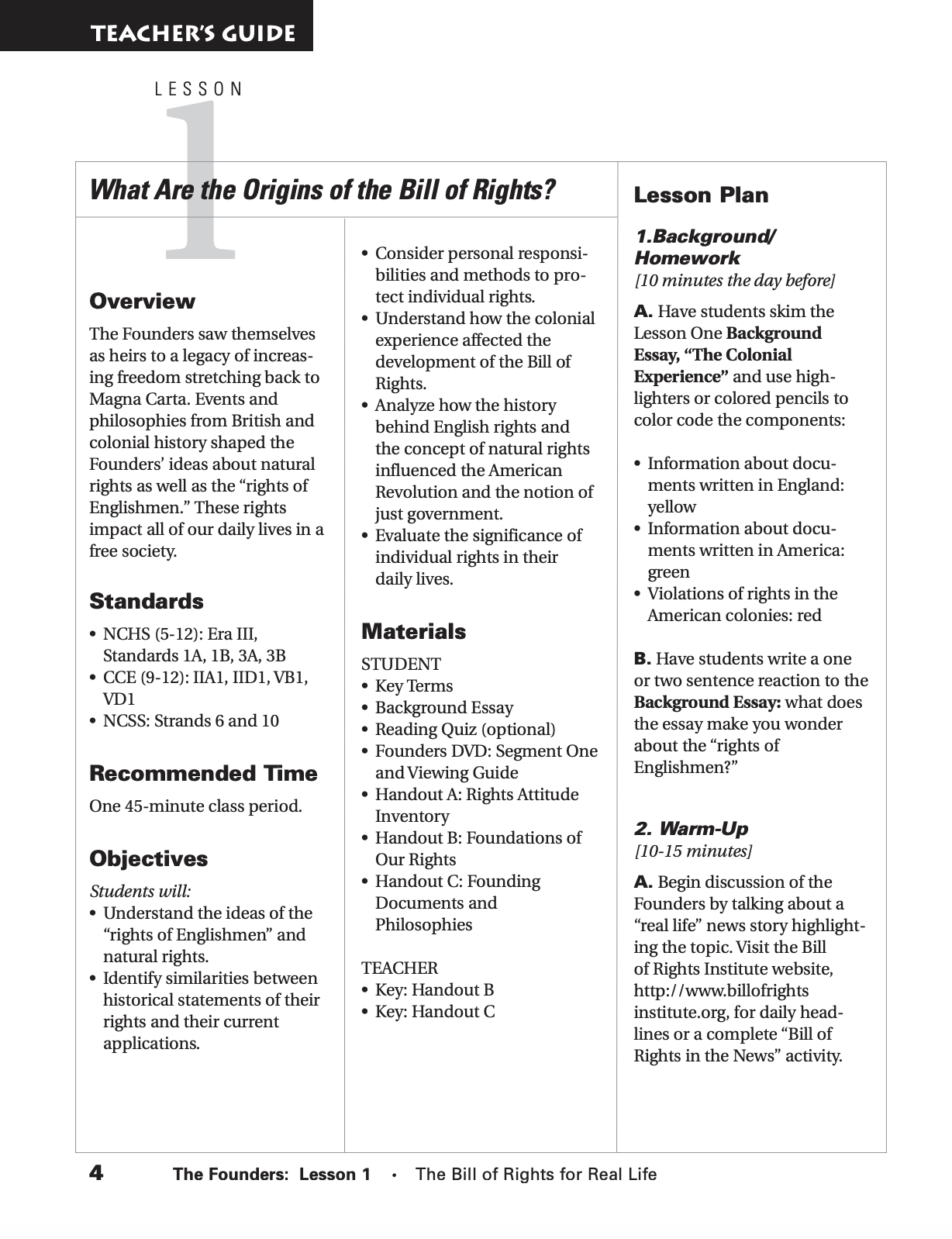
The Bill of Rights in Real Life

Design
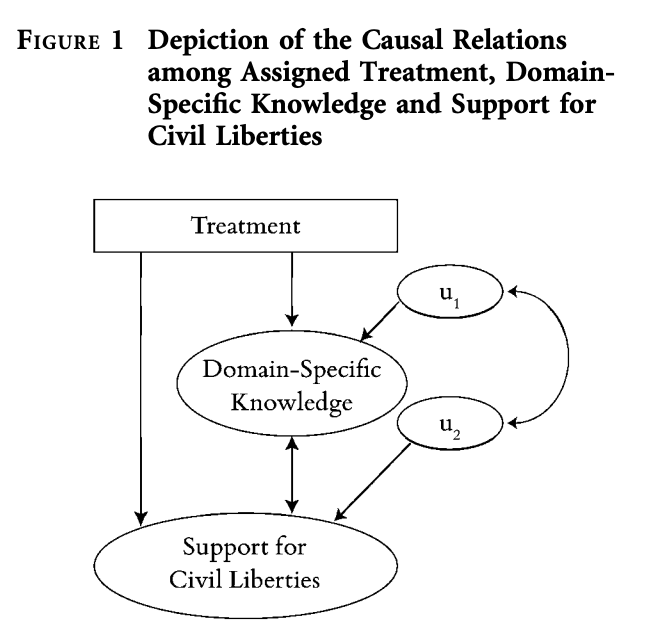
Treatment increases knowledge of civil liberties

But has no effect on support for civil liberties

The state as an agent of socialization

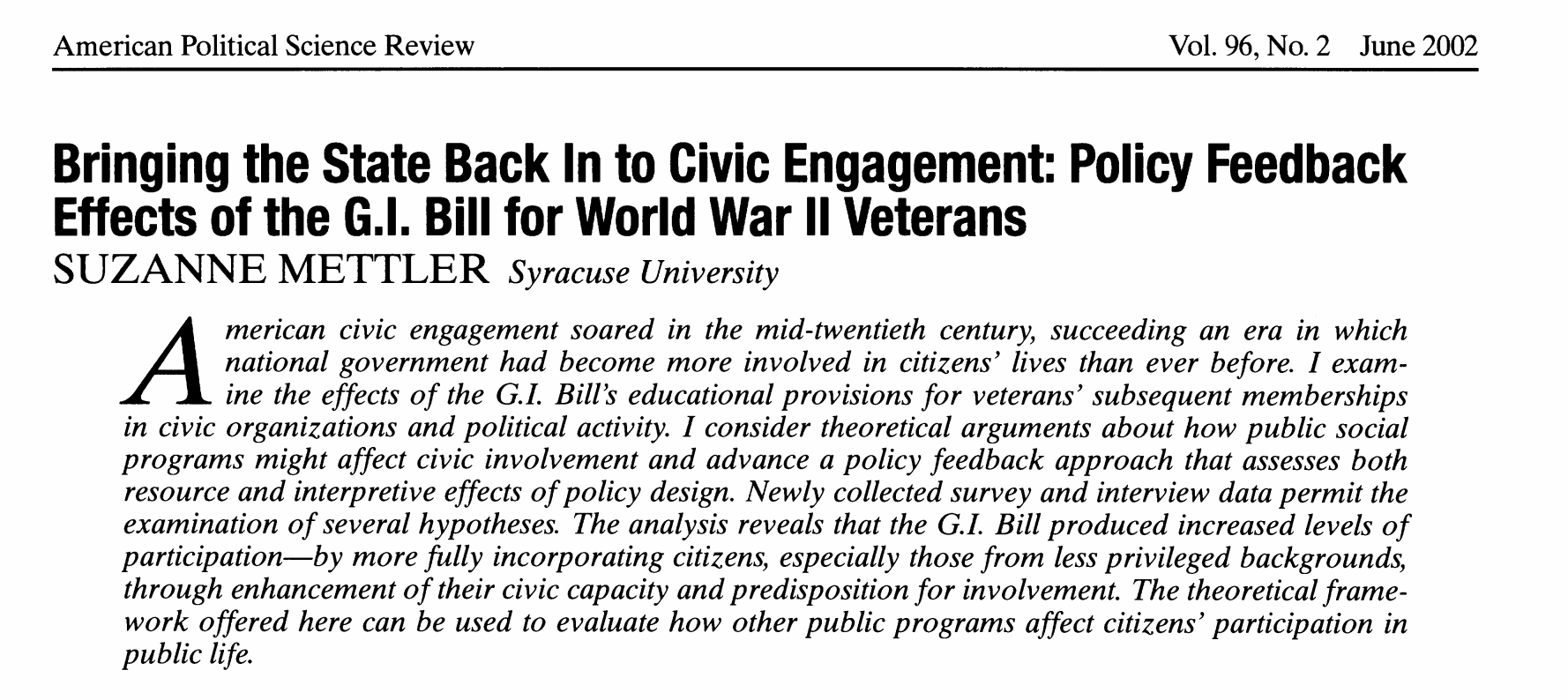
Policy Feedback

  • Citizens shape politics and policies

  • Politics and policies can also shape citizens

Mettler (2002)

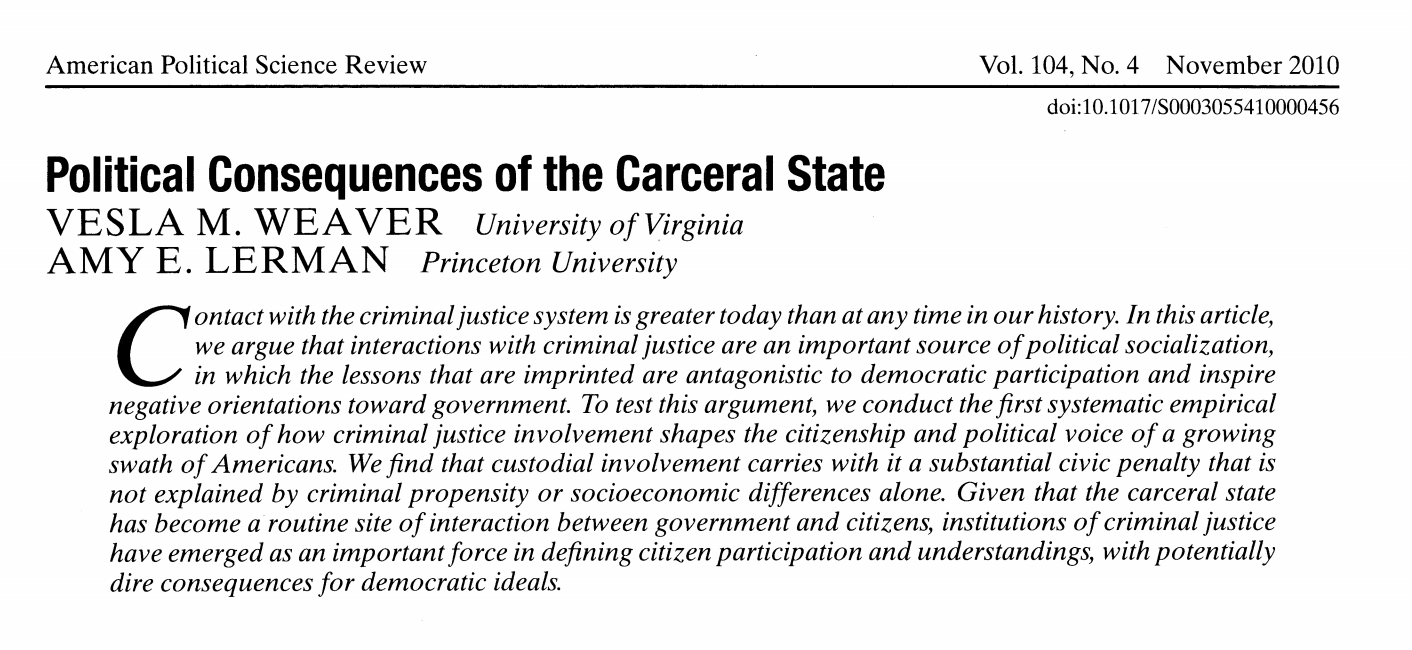
Policy Feedback and the Carceral State
Nature vs Nurture

Nature vs Nurture

  • Socialization focuses on environmental determinants of political attitudes and behavior (Nurture)
  • A growing body of research suggests many political differences have a dispositional component rooted in biological differences (Nature)

Biology and Politics

Different approaches for studying biology and politics

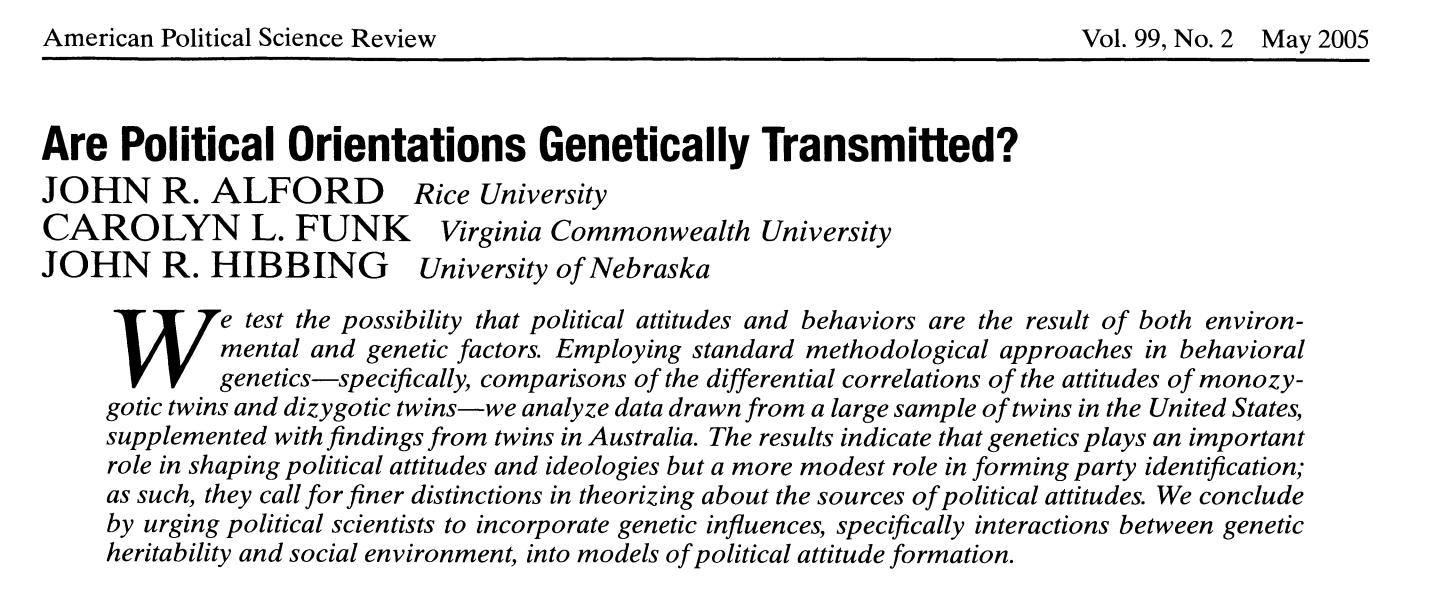
  • Twin studies
  • Candidate Gene studies
  • Physiological studies
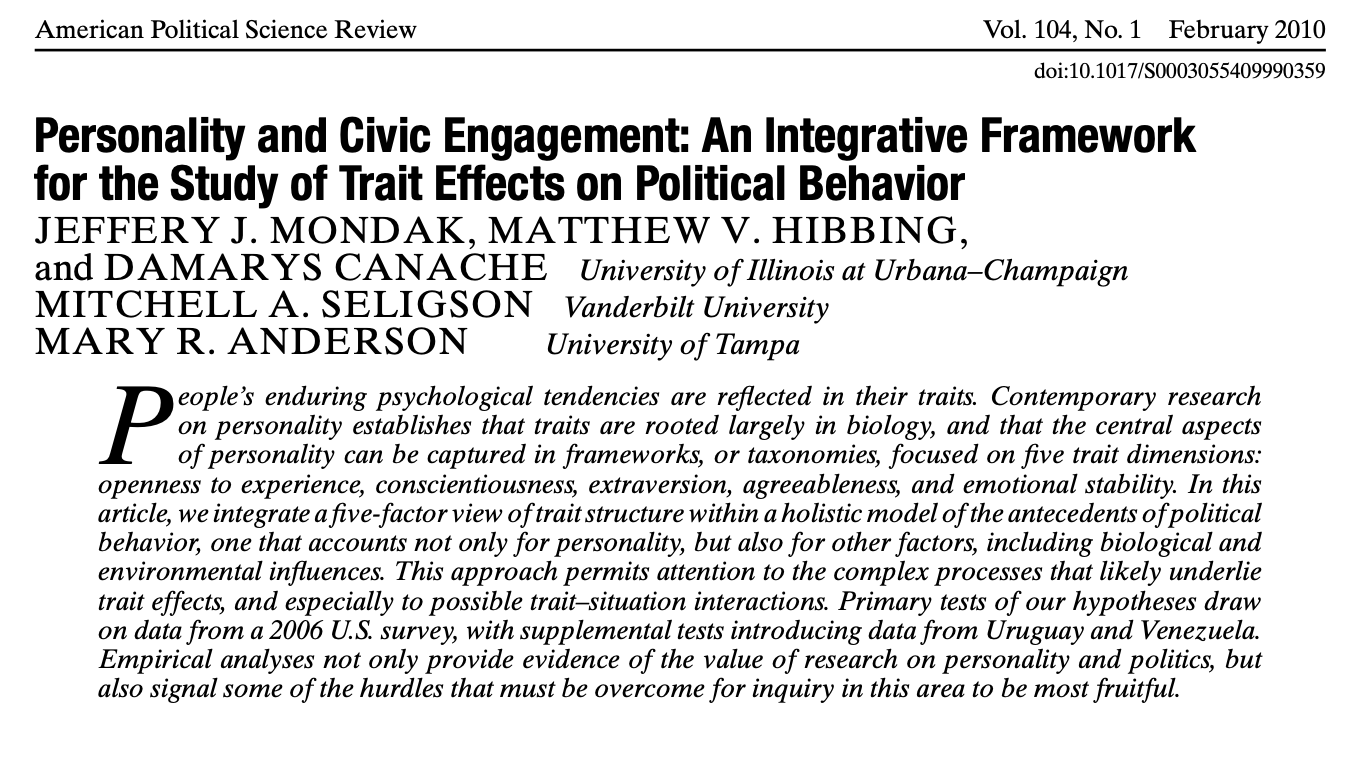
  • Big 5 Personality traits

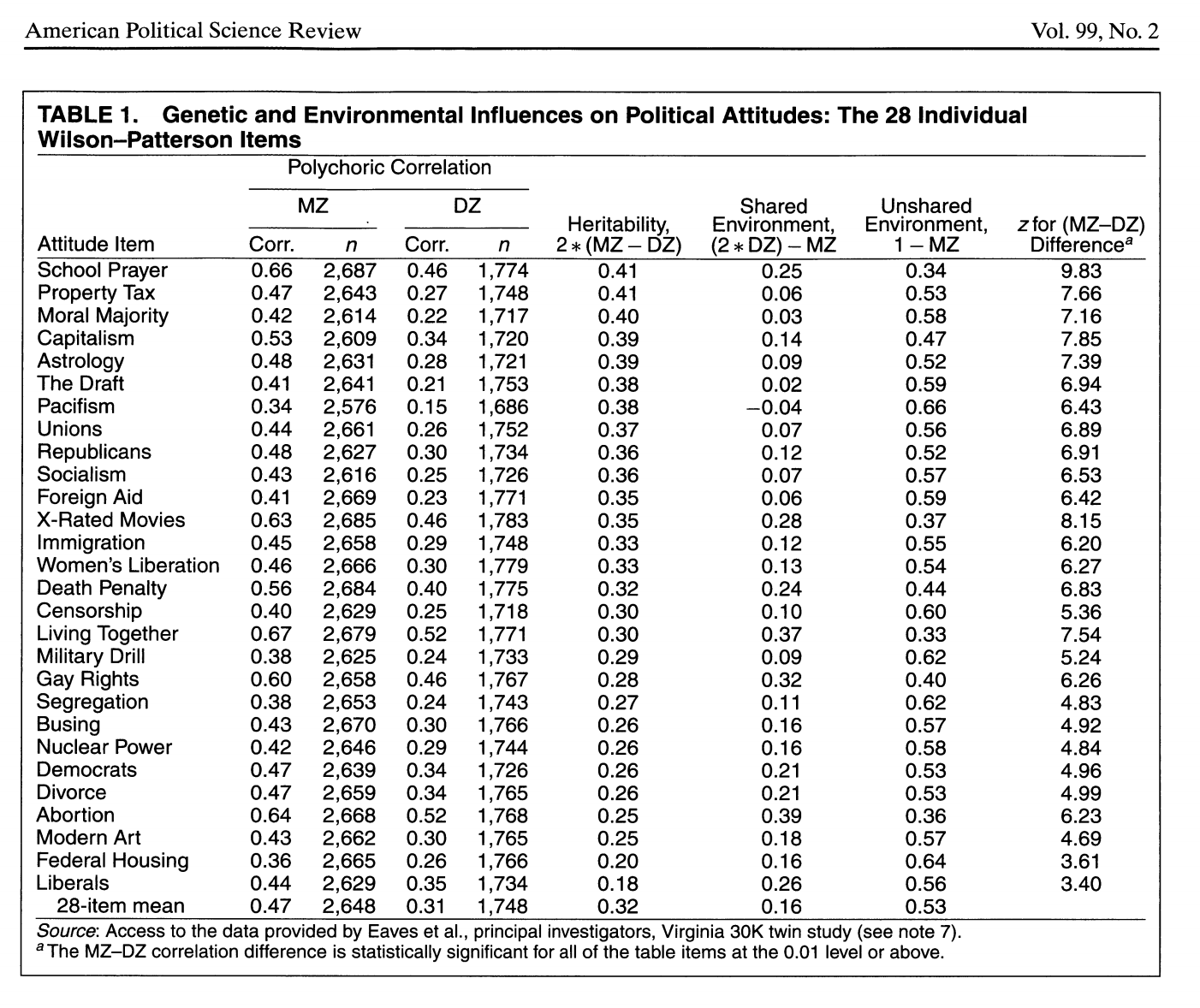
Alford, Funk, and Hibbing (2005)

Twin Studies

ACE Models
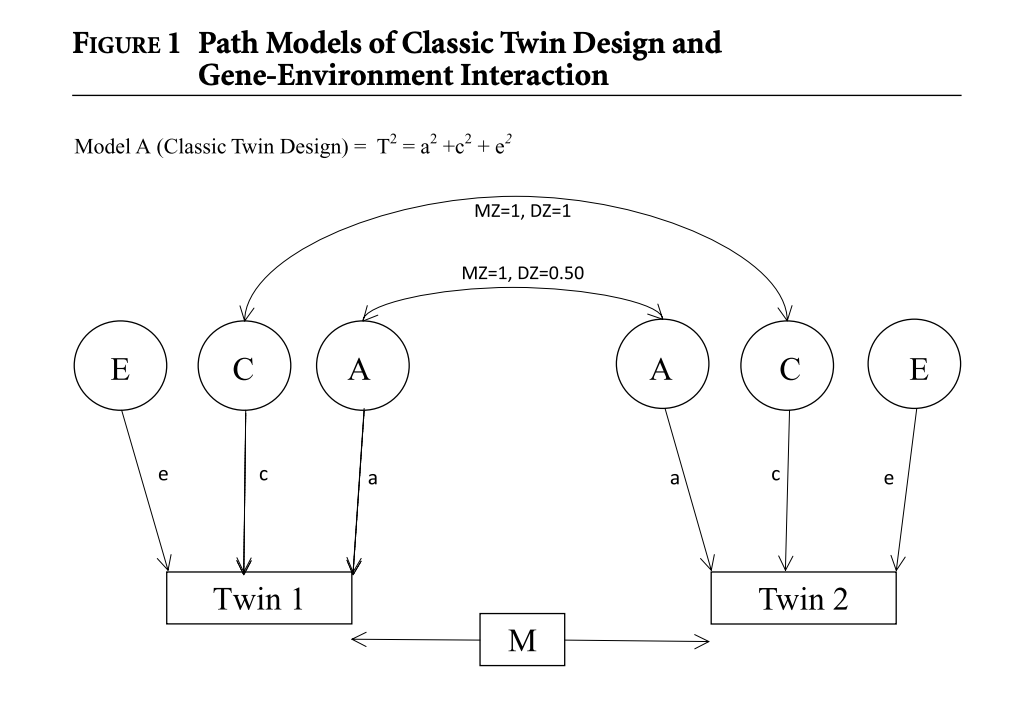
  • A = Additive genetic variance (Nature)
  • C = Shared environmental variance (Nurture)
  • E = Non-shared environmental variance (and measurement error)

ACE Models

Heritability of Political Attitudes

Heritability of Political Attitudes
Beyond Attitudes: Heritability of Participation

  • Heritability extends beyond opinions to behaviors
  • Fowler, Baker & Dawes (2008): voter turnout ~53% heritable in twin sample
  • Suggests the capacity for civic engagement has a biological substrate

Hatemi et al. (2014)

  • Meta-analysis across multiple countries and samples
  • Heritability estimates consistent across different political systems
  • Genetic factors account for roughly 30–60% of variance in political attitudes
  • Key finding: results hold even in societies with very different political contexts, suggesting the effect is not culturally specific

Group Discussion

  • If political attitudes are partly heritable, what does that mean for political persuasion?
  • Does heritability imply stability? Can heritable traits still change?
  • What are the ethical implications of studying the genetics of political behavior?

Biology and Politics

Candidate Gene studies

  • Twin studies establish heritability but don’t address mechanism
  • Candidate gene studies attempt to go further looking at variation in specific genes (alleles) known to be associated with specific biological outcomes

Candidate Gene studies

Serotonin, pro-social behavior and the MAOA and 5HTT genes

Two genes predict turnout!
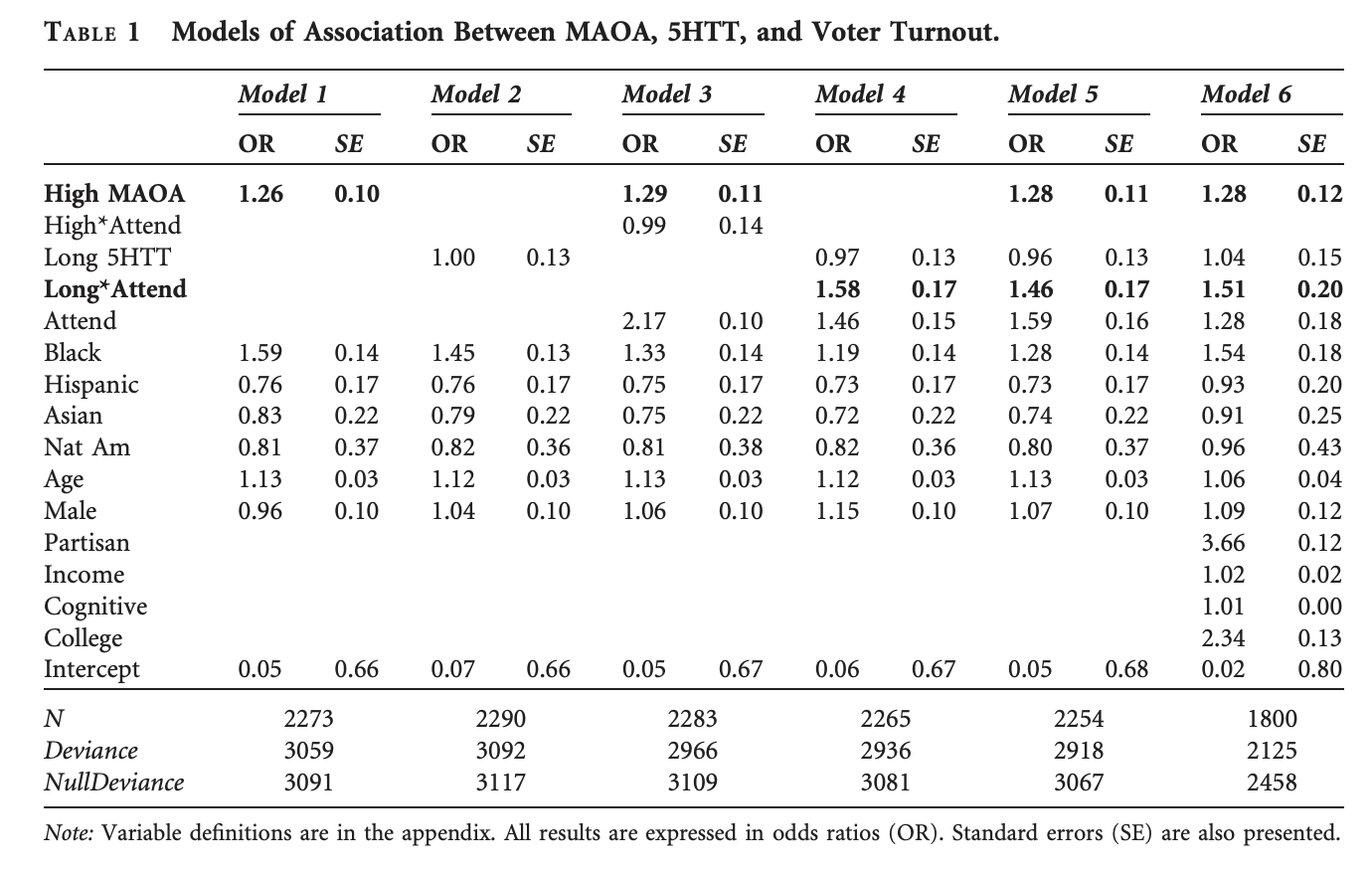
Or do they (Charney and English 2012)

GWAS: A New Approach

  • Candidate gene studies: pick a gene, test a hypothesis
  • Problem: most complex traits involve thousands of small-effect loci
  • Genome-Wide Association Studies (GWAS) scan the full genome
  • Okbay et al. (2016): educational attainment, risk tolerance successfully mapped this way
  • Political science applications emerging (Hatemi, Medland)

The Polygenicity Problem

  • No single “ideology gene” — political traits are highly polygenic
  • Each SNP explains a tiny fraction of variance
  • Implication: candidate gene studies were likely false positives
  • Doesn’t mean genes don’t matter — means the mechanism is diffuse and cumulative

Physiological studies

  • Variation in physiological responses is highly heritable (more biologically determined) and more easily observable
  • Map this variation onto political differences suggest they too have a heritable component

Oxley et al. (2008)

Oxley et al. (2008)
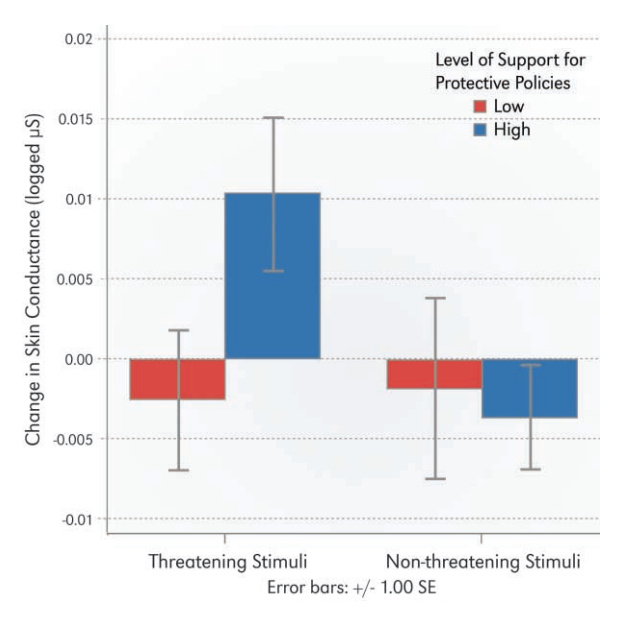
Negativity Bias and Political Orientation

  • Hibbing, Smith & Alford (Predisposed, 2014): conservatives show stronger physiological responses to negative stimuli
  • Measured via skin conductance, eye tracking, and startle reflex
  • Not a value judgment — a measurable difference in threat sensitivity
  • Connects biology → psychology → ideology

Disgust Sensitivity

  • Inbar, Pizarro & Bloom (2009): disgust sensitivity predicts social conservatism
  • Measured with the Disgust Scale (Haidt et al.)
  • Effect holds controlling for Big Five personality traits
  • Evolutionary logic: contamination avoidance → enforcement of group norms
  • Finding: a one standard deviation increase in disgust sensitivity predicts meaningfully more conservative positions on purity-related social issues (e.g., gay marriage, sexual norms) but not economic ones

Group Discussion

  • Physiological differences (threat sensitivity, disgust) are presented as politically neutral — do you find that convincing?
  • If conservatives and liberals differ in how they process threat, what does that mean for political communication?
  • Does this evidence make political disagreement feel more or less resolvable?

Personality Traits

  • Hard to study physiological responses “in the wild”
  • Personality traits are also heritable and more easily measured

The “Big-Five”

  • Openness to new experience
  • Conscientiousness
  • Extroversion
  • Agreeableness
  • Neuroticism (Emotional stability)

TIPI

Personality and Politics

Personality and Politics
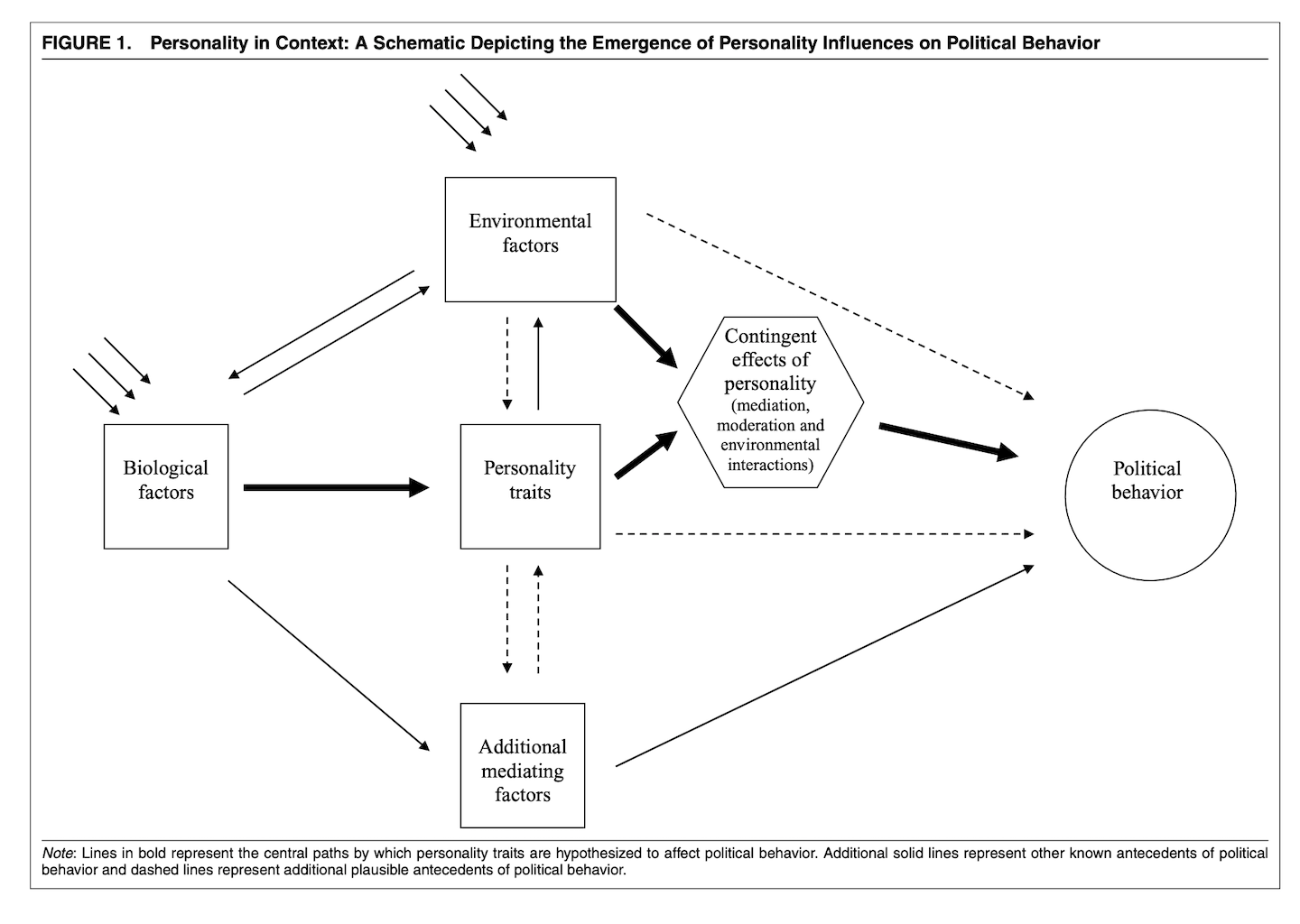
Direct Effects

Need for Cognition and Need for Closure

  • Beyond Big Five: epistemic motivation traits
  • Need for Cognition: enjoyment of effortful thinking → linked to political liberalism
  • Need for Closure: preference for certainty and order → linked to conservatism
  • Jost et al. (2003, Psych Bulletin): meta-analysis of 88 samples across 12 countries

Jost et al. (2003): Conservative Ideology as Motivated Social Cognition

  • Death anxiety, system threat, and intolerance of ambiguity all predict conservatism
  • Effect sizes modest but consistent across samples and methods
  • Critiqued as politically loaded framing — ongoing debate about interpretation
  • But the empirical patterns are robust: epistemic needs and threat sensitivity reliably correlate with ideological orientation

Nature → Nurture Interactions

  • Neither nature nor nurture operates in isolation
  • Gene × Environment (G×E) interactions: same genotype, different outcomes in different contexts
  • Example: oxytocin receptor gene (OXTR) moderates effects of childhood adversity on trust and political participation
  • The biology sets ranges of reaction, not fixed outcomes
  • Implication: strong nature/nurture dichotomy is probably a false one

Summary

  • Both nature and nurture matter
  • Neither environmental nor biological determinism
  • Studying biology and politics
    • Twin studies \(\to\) heritability (of differences)
    • Gene and Physiological studies \(\to\) mechanisms
    • Personality traits \(\to\) broader implications

Group Discussion

  • What are the implications of debates about nature vs nurture for politics?
  • Is the divide and either/or or a continuum?
  • Does it matter how much of each?